 Hinduism
Devshayani Ekadashi 2026: Date, Vrat Vidhi, Story & Benefits
Devshayani Ekadashi is a very special day for Lord Vishnu devotees. It is the most powerful of all…
calendar_today Jul 2, 2026
 Book Griha Pravesh Puja Online Book Now
Pranayama, also known as the yogic science of breathing, gives enormous benefits to the human body and brain.
One of the most ancient disciplines practiced in India for achieving peace and self-awareness. The popular sage Patanjali has mentioned in his yoga sutra the benefits of this yoga technique.
Pranayama is good for treating asthma, stress-related problems like anxiety and depression, by boosting the energy to 72 nadis in the human body, helping to increase well-being.
In Sanskrit, Prana means life force, and Ayama means way or practice. Pranayama breathing techniques help to regulate your system, change your mood, and give longevity.
The main parts of this practice are inhalation, exhalation, and retention of breath. It always starts with inhalation and exhalation, which improves the lungs and balances the nervous system.
It prepares the body to hold the breath. Let’s start by knowing what the different types of Pranayama breathing techniques are and how it benefits the human body.
If you have heard about the Pranayama, or practised it yourself, this one is probably what you have been exposed to.
Mainly known as ‘alternate nostril breathing’, this practice helps to bring balance to the three doshas of human experience: mind, body, and spirit.
To practice this technique, you have to:
Key Benefits:
The next most common and well-known Pranayama breathing technique is Ujjayi, which is often the first breathing practice learned in Hatha, Vinyasa, and Ashtanga yoga.
This is performed during asana practice, not before or after it, like most other types of Pranayama. People who suffer from cardiac problems should avoid it.
This is also popular as ocean breath, as you constrict your throat when you breathe. It creates the sound of ocean waves. This is how you can do it:
Key Benefits:
The name gives you a better understanding of how the breath should be performed – it should sound like a humming bee!
The Pranayama breathing technique, Bhramari, is called the humming bee breath, when you make a humming sound as you exhale.
It has a peaceful effect on the mind and nervous system and helps one to handle anger, frustration, and anxiety.
Here’s how you can do it:
Key Benefits:
Bhastrika Pranayama could be a good idea to try before the ‘breath of fire’, as this is similar but not complicated.
The main difference is that both the inhale and exhale are forceful in this breathing technique.
Key Benefits:
Precautions:
One of the very refreshing breathing techniques, hence the name ‘cooling breath’. It’s helpful to do during the summer.
People suffering from a heavy cold should avoid this practice. See the method for how to do it correctly:
Key Benefits:
The alternate breathing exercise includes pausing breathing at fixed intervals. This is categorized into two stages, called paused inhalation and paused exhalation.
See the method for how to do it:
Key Benefits:
Dirga Pranayama is called a three-part breath that involves inhaling and exhaling in three parts.
This is calm and grounded and helps to improve breath control and awareness. This is how to do it:
Note: Most of the Pranayamas are performed in either a cross-legged position or on heels; it is best to do them lying down.
Key Benefits:
Surya Bhedana is the same as Nadi Shodhana, but performs breathing through the right nostril only and out with the left nostril instead of alternating.
As Nadi Shodhana restores the energy in the body, right nostril breathing stimulates Yang energy and warms the body.
Key Benefits:
Also Read: Best Hand Mudras for Meditation: Benefits, & How to Practice
Pranayama is a Sanskrit term that translates to ‘control of breath’. You can think of it as a set of practices to balance prana within your body through breathing techniques.
In India, Pranayama breathing techniques are considered to have come into existence around the same time as yoga and meditation, approximately 5000 BC.
They are mentioned within ancient texts from this time, like the Yoga Sutras, and these texts explain this practice as a key aspect of yoga practice.
Apart from the Pranayama breathing techniques you perform, there are three main phases:
Note: You will discover these techniques in both yoga practices and meditative practices.
The 8 types of Pranayama breathing techniques given below are a quick list, starting easier and generally becoming harder. It helps you to begin and hopefully feel the benefits.
Pranayama consists of bringing focus and awareness to your breathing, just as Yoga Nidra.
As per the ancient yogic learnings, these are the three phases to practice Pranayama techniques:
Following the stages helps one to keep practicing consciously and increase the benefits. It may also be referred to as the order of Pranayama breathing phases.
Your regular Yoga practice, including Pranayama breathing techniques, can boost your focus and awareness of the present moment by calming the mind and lessening mental activity.
Physically, breathing techniques can calm the muscles to help you go deeper in your yoga postures, as energetically, they clear stoppages and prevent fatigue.
All of these eight different Pranayama forms must be practiced under the instructions of a yoga expert with years of experience and exposure in the same field.
Table Of Content
Expert and trusted pandits available for every puja, ritual, ceremony, and celebration
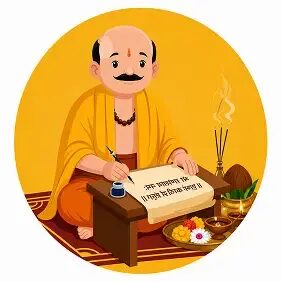
The three phases of Pranayama techniques are: Puraka (the inhalation), Antara Kumbhaka (retention/ holding the breath), and Rechaka (the exhalation).
Ujjayi Pranayama is the most common type, which is the oceanic type of breath we perform while practicing yoga.
The ideal time to practice Pranayama is in the morning on an empty stomach. If you perform later in the day, wait at least 2 to 3 hours after having a meal, so your diaphragm can move freely without compressing a full stomach.
If you’re practicing it on your own, hold your breath just for 2 to 4 seconds. Never hold breath to the point of strain, gasping, or panic.
Deep breathing is simply increasing the volume of air you take in. Pranayama refers to conscious, deliberate control of the breathing process with the use of particular proportions of inhalation (Puraka), breath retention (Kumbhaka), and exhalation (Rechaka).


 Ontime Service
  Certified Pandit
  Transparency