

 Festivals
Shani Jayanti 2026: Date, Timings, Puja Rituals & Significance
Shani Jayanti marks the birth anniversary of Lord Shani, the deity of Saturn, karma and justice. In 2026…
calendar_today May 15, 2026
 Book Griha Pravesh Puja Online Book Now
 Ahoi Ashtami 2026 is widely celebrated across the country. Women observe fasting on this auspicious day for the well-being of their children.
The Hindu calendar says this occasion comes on the eighth day of Krishna Paksha of Kartik month, and in 2026, it will be celebrated on Sunday, November 01.
On Ahoi Ashtami, devotees celebrate the festival dedicated to Goddess Ahoi, also known as Mata Ahoi. Mothers pray to the Goddess for their children’s health and longevity.
Due to Ahoi Ashtami, fasting comes on Ashtami tithi, the 8th day of the lunar tithi, considered Ahoi Aathe. The day is also considered the beginning of Diwali.
The occasion has immense devotional and religious importance, performed with devotion and traditional practices.
Today I’ll highlight the date, vrat katha, puja vidhi, and significance of Ahoi Ashtami 2026 for you. Continue reading to understand the meaning of Ahoi Ashtami.
The festival of Ahoi Ashtami 2026 will be celebrated on Sunday, November 01. Below are the muhurat details to perform the puja:
Women wake up early in the morning, keep a water earthen pot, and please the Goddess Ahoi, who is an incarnation of Goddess Lakshmi.
They keep fasting, present prayers and bhogs to Goddess Ahoi, and break the fast after seeing the stars. Ahoi Ashtami Vrat Katha is recited before the bhog.
To be blessed with a healthy child, women who have had losses or difficulties conceiving can do the Ahoi Ashtami puja.
Ahoi Ashtami is considered ‘Krishnaashtami’ after Bhagwat Krishna. Thus, the day is special for childless couples.
‘Radha Kunda’ in the district of Mathura, Uttar Pradesh, is where Married couples without a child take a holy bath.
The couple must keep the fast of Ahoi Ashtami along with prayers and rituals to seek the blessings of having a child.
Long ago, there lived a king named Chandrabhan. Sadly, all his children died at a very young age.
This loss broke the king and his wife completely, and they decided to leave their palace behind.
They travelled deep into the forest, searching for peace. There, near Badrika Ashram, they found a quiet pond and settled beside it.
For seven days, they prayed and did penance, hoping to understand why fate had been so cruel to them.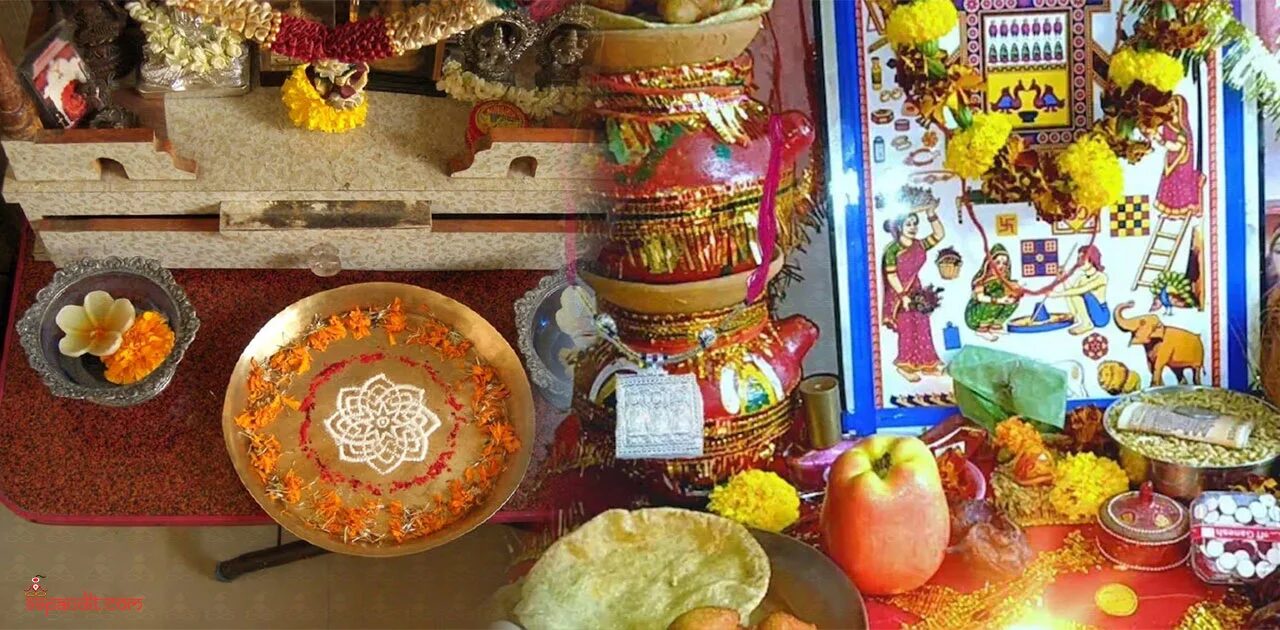
On the 7th day, they finally got their answer. A divine voice told them their suffering was linked to actions from a past life, though it did not say what those actions were.
But it also gave them hope. If they observed the Ahoi Ashtami fast with true devotion, their future children would be protected and live long lives.
Trusting this sign, King Chandrabhan and his wife began the fast right away. Their faith did not go unnoticed. Pleased by their devotion, Goddess Ahoi appeared before them.
She guided the queen to draw the animal’s face and offer her prayers to it. The queen listened carefully and did exactly as she was told. Moved by this act of faith, the goddess blessed the couple, and their son was brought back to life.
Before starting the puja, it helps to keep all the items ready in one place. Here is what you will need and why each item matters.
Ahoi Ashtami is a fast observed by mothers for their sons’ long life, falling during Krishna Paksha of the Kartik month. Kind of like Karwa Chauth, but focuses on children instead of a husband, it holds profound meaning across North India, where women fast from morning to evening and break their fast only after spotting the stars.
Women who observe this fast usually listen to or read the Ahoi Ashtami Vrat Katha as part of the ritual. Here is the story/katha behind it.
Once, a moneylender lived in a city with his wife and seven sons. Just before Diwali, the family was busy cleaning their house.
The moneylender’s wife went to a nearby pit to dig up mud for the repairs. She did not know that a female jackal had made her den in that same pit.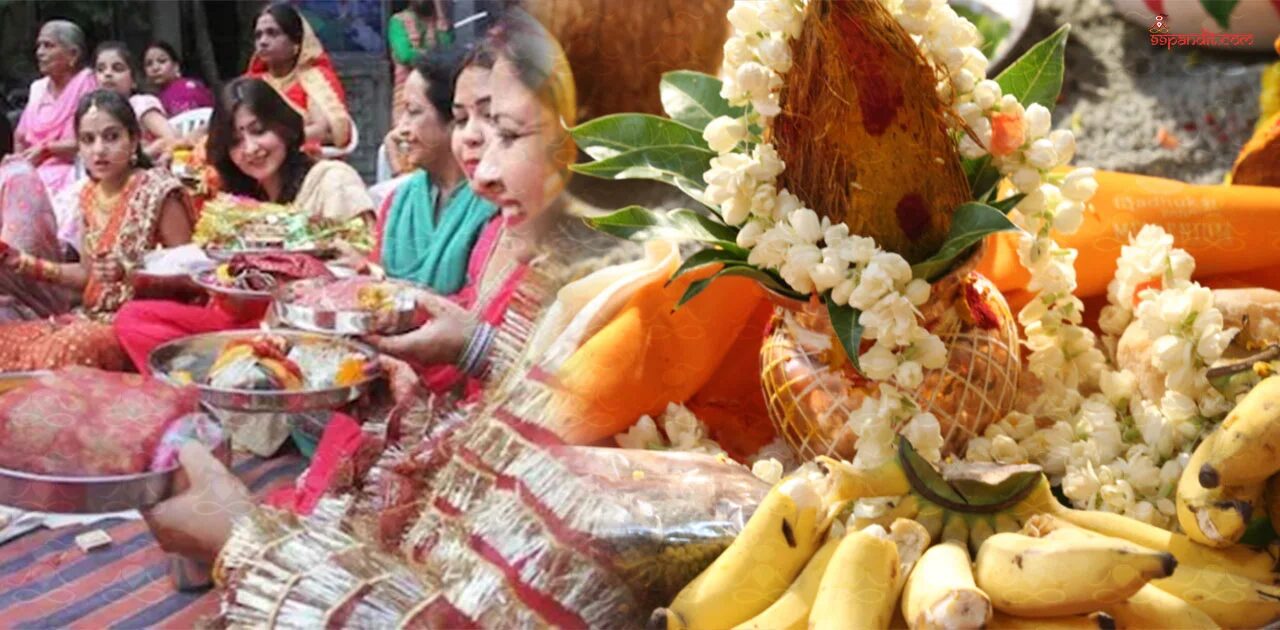
As she dug, her hoe struck the jackal’s cub and killed it instantly. The woman was heartbroken and returned home in tears.
A few days later, her eldest son died. Then her second son died, and then her third. Within a year, all seven of her sons were gone.
The widow fell into deep grief and lived a sorrowful life after that.
One day, she broke down in front of an old neighbour.
She confessed everything: how she had killed the jackal’s cub by mistake, and how she believed this sin had taken her sons’ lives.
The old woman listened with kindness. She told the widow that her honest confession had already erased half her sin.
The old woman then gave her a solution. She should draw a picture of the jackal and its cub on Ahoi Ashtami day, and pray for forgiveness.
This act would free her from the rest of her sins. The widow followed this advice with full faith. She observed the fast every year on the eighth day of Krishna Paksha in Kartik month.
Over time, Goddess Ahoi blessed her, and she got her seven sons back. This is how the tradition of Ahoi Ashtami began.
Today, women across North India still follow this fast for their children’s well-being.
For every Hindu ritual, there are some dos and don’ts specified to follow the guidelines:
Ahoi Ashtami remains one of India’s most heartfelt festivals. It brings together devotion, tradition, and a mother’s love for her children.
Every ritual in this fast, from the morning prayers to the evening stars, reflects the same wish: a long, safe, and happy life for children.
Women who observe this fast do more than follow a custom. They renew their bond with Ahoi Mata and ask for her protection over their family.
This is why the festival still holds such an important place in Hindu tradition today, carrying forward values of devotion, sacrifice, and faith across generations.

Table Of Content
Expert and trusted pandits available for every puja, ritual, ceremony, and celebration
Goddess Ahoi was the incarnation of Goddess Lakshmi. She is pleased by women who have children. Women keep fasting in honor of Mata to bless their children's well-being.
The festival of Ahoi Ashtami 2026 will be celebrated on Sunday, November 01. It is observed on the eighth day of Krishna paksha of the Kartik month.
No, unlike karwa chauth, sargi is consumed for Ahoi Ashtami; the festival is celebrated after 4 days of Karwa Chauth.
Yes, women who are observing fast can have something before sunrise on the day of the festival.
Ahoi Ashtami is considered ‘Krishnaashtami’ after Bhagwat Krishna; the day is special for childless couples. To be blessed with a healthy child, women who have had losses or difficulties conceiving can do the Ahoi Ashtami puja.
Yellow and red are considered to be auspicious colours when performing Ahoi Ashtami puja.