
 Festivals
Shani Jayanti 2026: Date, Timings, Puja Rituals & Significance
Shani Jayanti 2026 is the celebration of Lord Shani’s birthday. Shani Jayanti is the birth anniversary of Lord…
calendar_today May 15, 2026
 Book Griha Pravesh Puja Online Book Now
Makar Sankranti 2026 will be celebrated on Wednesday, 14 January 2026, marking the auspicious transition of the Sun into Capricorn (Makara Rashi).
This sacred festival holds deep astronomical and spiritual significance as it honors Surya Dev (the Sun God) and marks the start of the harvest season across India.
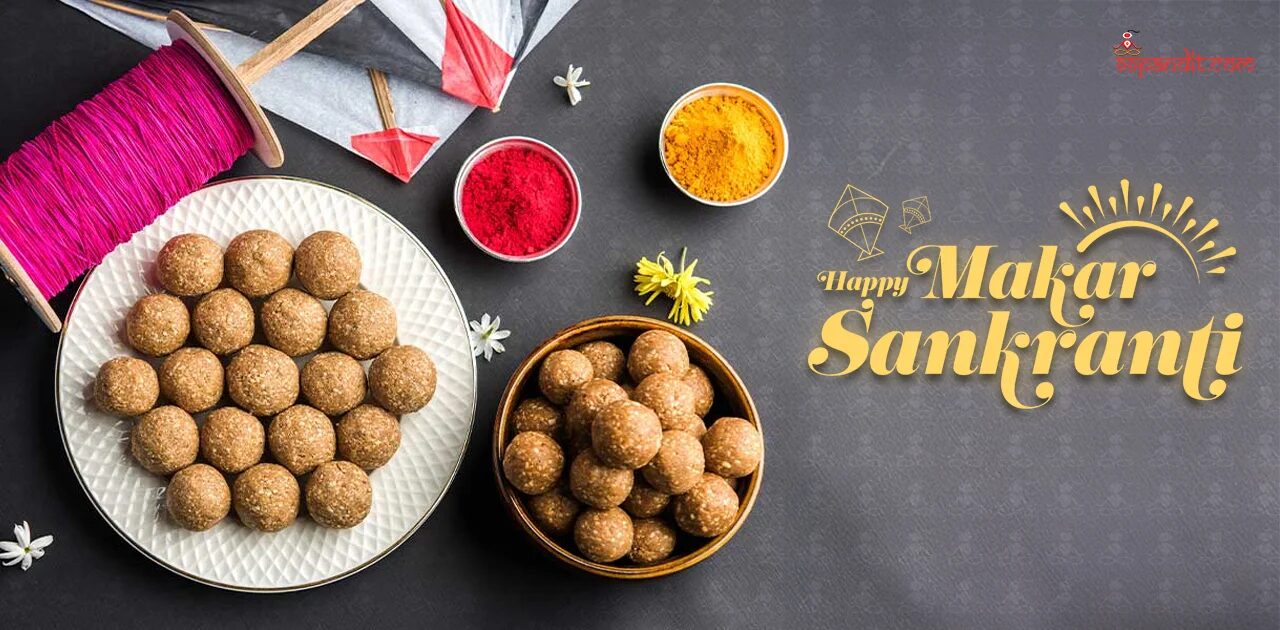
Celebrated with different names and customs across regions, Pongal in Tamil Nadu, Lohri in Punjab, Uttarayan in Gujarat, and Khichdi in Uttar Pradesh.
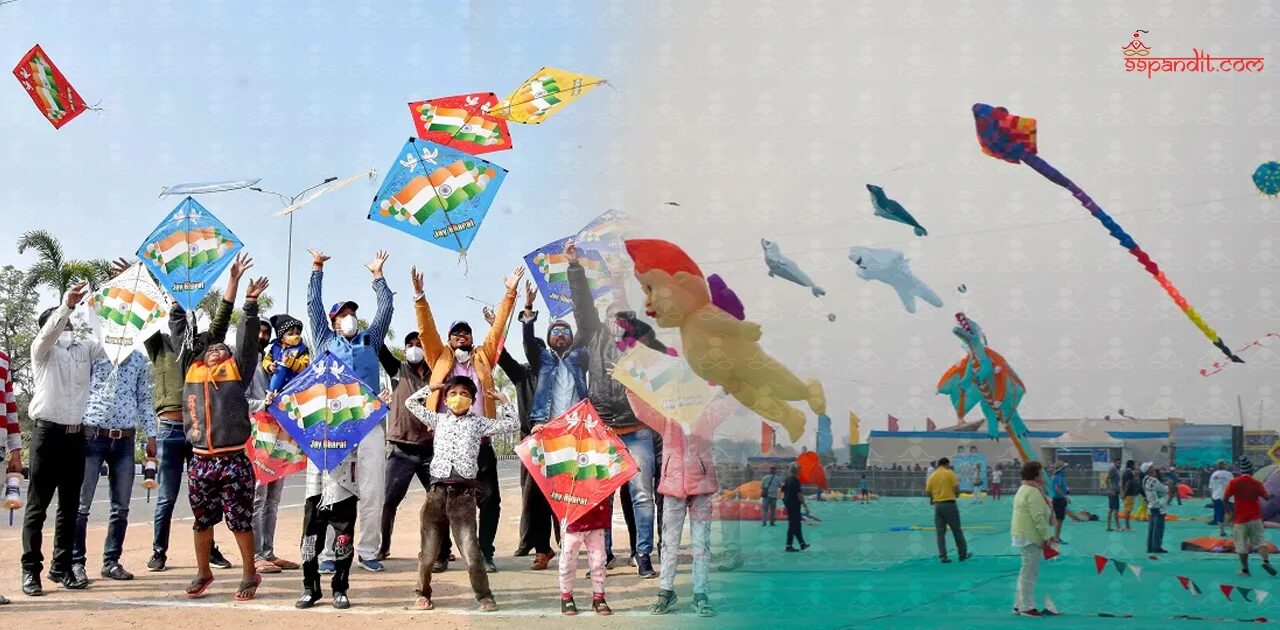
Makar Sankranti brings families together through traditions like kite flying, holy dips in rivers, til-gud sweets, and charitable acts.
Devotees worship the Sun God seeking blessings for prosperity, health, and a bountiful harvest.
The festival symbolizes new beginnings, gratitude for nature’s abundance, and the triumph of light over darkness as days start growing longer after this celestial event.
Punya Kaal Muhurat for Makar Sankranti 2026 will be for two hours and forty-three minutes. Devotees will celebrate Makar Sankranti on 14th January.
The timing of muhurta for Makar Sankranti 2026 Punya Kaal will be:
Punya Kaal Timings: 03:13 PM to 05:56 PM
Maha Punya Kaal Muhurat for Makar Sankranti 2026 will be for one hour and forty-seven minutes. The timing of the muhurat for Maha Punya Kaal will be 03:13 PM to 05:00 PM
Timing of Sankranti Moment: The exact moment of Sankranti will be 03:13 PM on 14th January 2026.
Read this blog to understand the importance of Makar Sankranti and the exact muhurta, tithi, and much more related to Makar Sankranti 2026.
Makar Sankranti is a Hindu festival that celebrates the movement of the Sun from Sagittarius to Capricorn.
Unlike most Hindu festivals that follow the lunar calendar, Makar Sankranti is based on the solar calendar, which is why it usually falls on 14 January every year.
This day marks the end of the harsh winter phase and the beginning of longer, warmer days. Spiritually, it represents positivity, growth, and the transition from darkness to light.
It is also closely associated with gratitude toward nature, harvest celebrations, and acts of charity.
The exact moment of Makar Sankranti will be 03:13 PM on the 14th January 2026. At this moment, devotees will mark the transition of Lord Sun from Dhanu Rashi to Makar Rashi.
People celebrate Makar Sankranti based on the Solar calendar and not the Hindu calendar (Luni – Solar calendar).
Based on the exact moment of Makar Sankranti, devotees celebrate the Makar Sankranti festival on either the 14th or 15th of January. People celebrate Makar Sankranti in the month of Magh as per the Hindu calendar.
Unlike other important festivals, which are celebrated as per the Hindu calendar, people celebrate Makar Sankranti every year on the 14th or 15th of January.
Sankranti is a Solar event. People celebrate Makar Sankranti on the same day, the fourteenth or fifteenth of January every year.
In the years when the Sun enters Makar Rashi after sunset on 14th January, people celebrate Makar Sankranti on 14th January to mark the entry of the Sun into Makar Rashi.
This period is considered the best time to mark the start of the holy phase of Uttarayan. People consider Uttarayan as the best time for attaining mukti.
For example, as per the Mahabharat, Bhishma Pitamaha waited for Uttarayan to attain mukti. Bhishma Pitamaha was wounded fatally in the battle of the Mahabharata.
All his body was injured by arrows. He waited for 51 nights on the bed of arrows before attaining mukti. A person attaining mukti becomes free from the cycle of rebirth.
Astrologically, Makar Sankranti is considered one of the most powerful days in Hindu tradition.
On this day, the Sun begins its Uttarayan journey, which is believed to bring positive energy and spiritual growth. Capricorn represents discipline, stability, and responsibility.
When the Sun enters this sign, it encourages clarity, progress, and purposeful action. This is why Makar Sankranti is considered an ideal time for:
In many parts of India, Makar Sankranti is celebrated over multiple days, each with its own cultural meaning.
Bhogi: Meaning and Importance:
Bhogi is observed a day before Makar Sankranti. It symbolizes the removal of negativity and old habits. People light bonfires, discard old items, and welcome new beginnings with positivity.
Makar Sankranti: Main Festival Day:
The main day is dedicated to Surya Dev worship, holy bathing, charity, and festive meals. Kite flying, temple visits, and family gatherings are common across regions.
Kanuma: Cultural Significance:
Kanuma is celebrated mainly in South India. It honors cattle and agricultural prosperity, reflecting the deep connection between humans and nature.
Punya means holy or sacred in Sanskrit. Kaal means period. Thus, punya kaal means sacred time.
When the Sun makes a transition from one Rashi to another Rashi, for a brief time, it appears to be in both the Rashis.
This period is also called ‘Punyakaal’. This period is considered to be very auspicious. Devotees can reap the benefits of both the rashis during the punyakaal.
People perform activities such as taking baths in holy rivers, Puja of Lord Sun, and Daan (donation).
People, especially pandits, calculate the muhuruta of Makar Sankranti with the help of sacred texts of the Hindu religion, such as ‘Muhuruta Chintamani’.
Similarly, People calculate the punya kaal of Makar Sankranti with the help of 16 Ghatis. It lasts for about 6 hours and 24 minutes from the moment of Sankranti.
If the Sankranti moment occurs after sunset, we calculate Makar Sankranti punya kaal as per the time of the next sunrise.
Makar Sankranti punyakaal marks the start of the summer solstice. Narad Puran also mentions Makar Sankranti punyakaal as 16 Ghatis (6 hours and 24 minutes).
Many states of India celebrate Makar Sankranti with full joy. They celebrate it with different names as per the unique culture of the area.
Makar Sankranti is a special day for women in Maharashtra. The people of Maharashtra prepare Tilgudi Til laddus and Til Polis on the occasion of Makar Sankranti.
People exchange Tilgudi til laddus and til polis with friends and family. They greet each other by saying “ Til gul ghya gud gud bola”. It means accepting tilguds and speaking good words.
The people of Gujarat celebrate Makar Sankranti as Uttrayan. The people of Gujarat celebrate Makar Sankranti in the month of Posh.
The celebration of Makar Sankranti in Gujarat is similar to the celebration of this festival in Maharashtra.
People prepare sweets and exchange them with friends and family. Elder members of the family give gifts to the young.
The people of Uttar Pradesh celebrate Makar Sankranti as Kichdi. It is also known as ‘Kitcheri’. A special Mela is held in Prayag for one month.
The devotees take holy baths in Prayag during the Makar Sankranti festival. The confluence of the Ganga River, Yamuna River, and Saraswati River is located in Prayag.
The people of Punjab celebrate Makar Sankranti as Maghi. They light bonfires on the eve of Makar Sankranti.
This festival is also called Lohri. People celebrate Lohri by dancing around the bonfire.
People celebrate Makar Sankranti after the harvest season. Also, they celebrate this festival with traditional dishes and dances such as bhangra.
The people of Tamil Nadu celebrate Makar Sankranti as Pongal. They light bonfires on the eve of Pongal and put their old possessions in it. This bonfire is also known as ‘Bhagi’.
Women in Tamil Nadu celebrate ‘Pongalo Pongal’ on the occasion of Pongal. They boil rice in a pot of milk and add jaggery to make it sweet.
Devotees celebrate Pongal for four days. The celebration of Pongal starts on January 14 with Bhogi Pongal and is completed with Kaanum Pongal on January 16.
The people of West Bengal celebrate Makar Sankranti on the last day of the ‘Paush’ month.
People of the Hindu religion take a holy dip in the Millat Ganga Sagar. People also know this practice as Ganga Sagar Snan.
Food plays an important role in Makar Sankranti celebrations. Most traditional dishes use sesame seeds and jaggery, symbolizing warmth, unity, and sweetness in relationships.
Popular Makar Sankranti foods include:
People celebrate Makar Sankranti in many countries such as Sri Lanka, Canada, the United States of America, Singapore, Malaysia, Australia, and some European countries of Europe.
Devotees celebrate Makar Sankranti as Ulavar Thirunaal or Thai Pongal in Sri Lanka. They celebrate this festival for two days. On the first day, devotees celebrate sweet dishes.
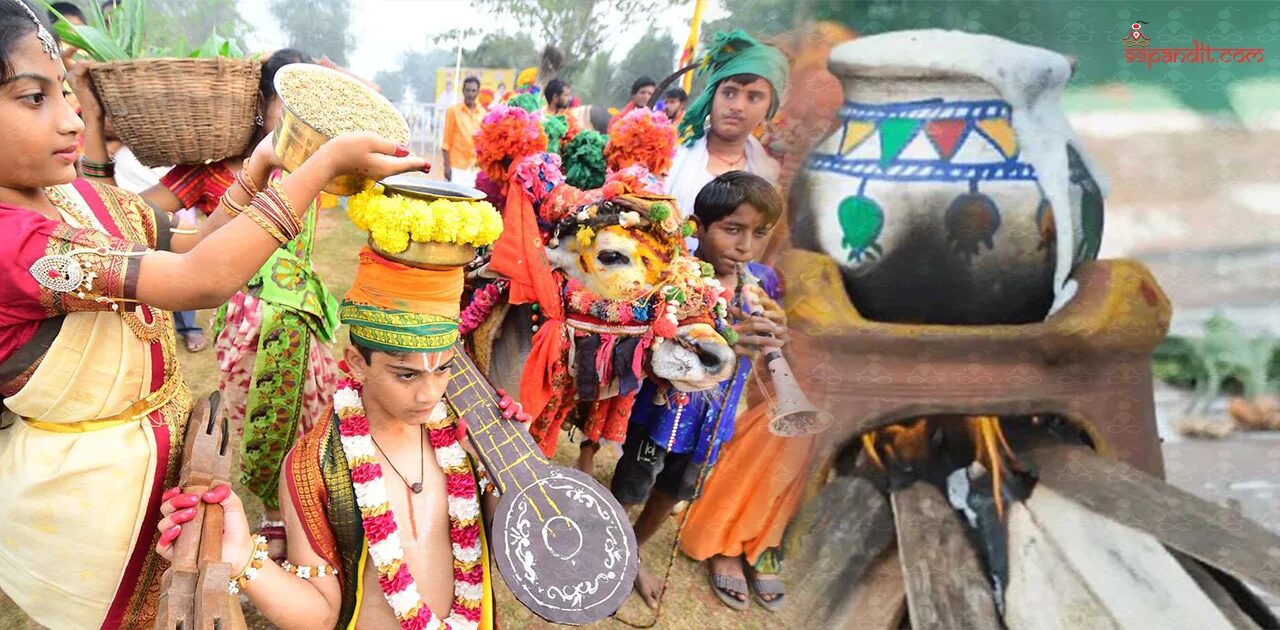
For example, Sakkarai Pongal is prepared on the first day of Pongal in Tamil Nadu. Similarly, Suriyapakaran is prepared as an offering to Lord Sun.
People prepare this dish with the help of boiled milk, rice, sugarcane syrup, and jaggery.
People celebrate Mattu Pongal on the second day of Ulavar Thirunaal in Sri Lanka. They thank the oxen for their help in the production of crops.
The help of Muhurat Chintamani can determine the characteristics of Makar Sankranti. The characteristics of Makar Sankranti are as follows.
Name: Rakshasi
Age: Adolescent
Cloth Color: Yellow (Peeta Vastra)
Caste: Bhoot
Top Cloth: Leaves (Parna)
Ornaments: Bangles (Kankan)
Vaahan: Tiger (Vyaghra)
Up- Vaahan: Horse (Asva)
Weapon in hand: Mace (Gada)
Condition: Pleasure (Bhoga)
Material of food plate: Silver
Flower in hand: Jasmine
Emotion, according to Vahana: Fear
Food: Pudding (sweet rice pudding)
Head Direction: North
Star: Daarun
Face Direction: West
Position: Sitting
Cost: Madhyam
| Year | Date |
| 2024 | Monday, 15th January |
| 2025 | Tuesday, 14th January |
| 2026 | Wednesday, 14th January |
| 2027 | Friday, 15th January |
| 2028 | Saturday, 15th January |
| 2029 | Saturday, 14th January |
| 2030 | Monday, 14th January |
People in India celebrate Makar Sankranti 2026 in many parts of the country, considering it one of the most important festivals.
People in countries such as Sri Lanka also celebrate Makar Sankranti. The people of India celebrate Makar Sankranti with full joy and devotion.
People usually celebrate Makar Sankranti on either January 14 or 15. People celebrate Makar Sankranti as per the Solar calendar.
The Hindu calendar, which is a Lunar calendar, celebrates other Hindu festivals. Devotees perform various activities on the occasion of Makar Sankranti.
Performing activities such as holy baths and daan (donations) on the occasion of Makar Sankranti can have many benefits for the devotees.
It is important to know about the punya kaal and maha punya kaal muhurat of Makar Sankranti. This blog tells you about the exact moment of Makar Sankranti.
The exact moment of Sankranti will be 03:13 PM on 14th January 2026. Afterwards, people will observe Punya Kaal and Maha Punya Kaal.
Similarly, if you need a Pandit to perform Makar Sankranti, you can connect with 99Pandit to book a Pandit online. People enjoy celebrating Makar Sankranti.
Table Of Content
Expert and trusted pandits available for every puja, ritual, ceremony, and celebration
Makar Sankranti is one of the most important festivals celebrated in India. People will celebrate Makar Sankranti 2026 on January 14. Makar Sankranti is celebrated with full joy and enthusiasm.
Makar Sankranti is one of the most important festivals in India. People perform activities such as bathing in the holy river and giving daan (donation). They also share sweets made of til with friends and family.
Shubh Muhurat of Makar Sankranti can be determined with the help of sacred texts of the Hindu religion. As per the Brihad Jyotish Saar and Sangrah Shiromani, the timing of Makar Sankranti 2026 punya kaal will be from 03:13 PM to 05:56 PM on 14th January.
Yes, charity performed on Makar Sankranti is believed to bring long-lasting blessings.
It represents discipline, progress, and positive transformation due to the Sun’s movement.
Mostly yes. Since it follows the solar calendar, it usually falls on 14 January, with rare variations.


 Ontime Service
  Certified Pandit
  Transparency