Ashadha Purnima 2026: Date, Time, Puja Vidhi & Importance
While the parched earth drinks in the first whispering of monsoon, the night sky makes for a celestial change. On…
 0%
0%
 Book Griha Pravesh Puja Online
Book Now
Book Griha Pravesh Puja Online
Book Now

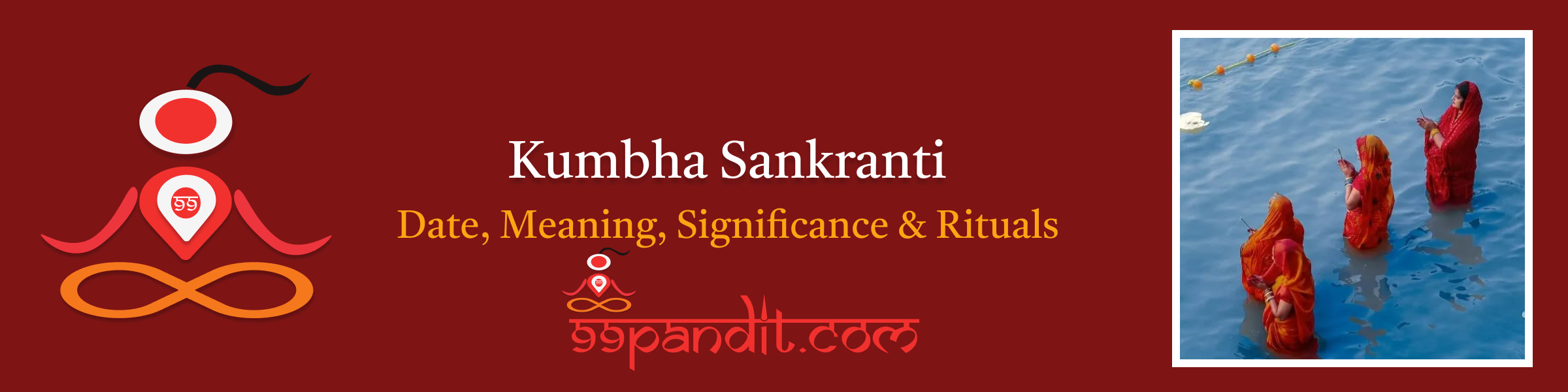


According to the Hindu solar calendar, Kumbha Sankranti 2026 indicates the beginning of the 11th month.
On the day, the sun moves from Makar rashi to Kumbha rashi. Because of the sun’s position, the right time of day remains highly limited and differs every year.
The essence of Kumbha Sankranti is the Kumbha Mela, the world’s biggest scriptural celebration, which occurs once every twelve years.
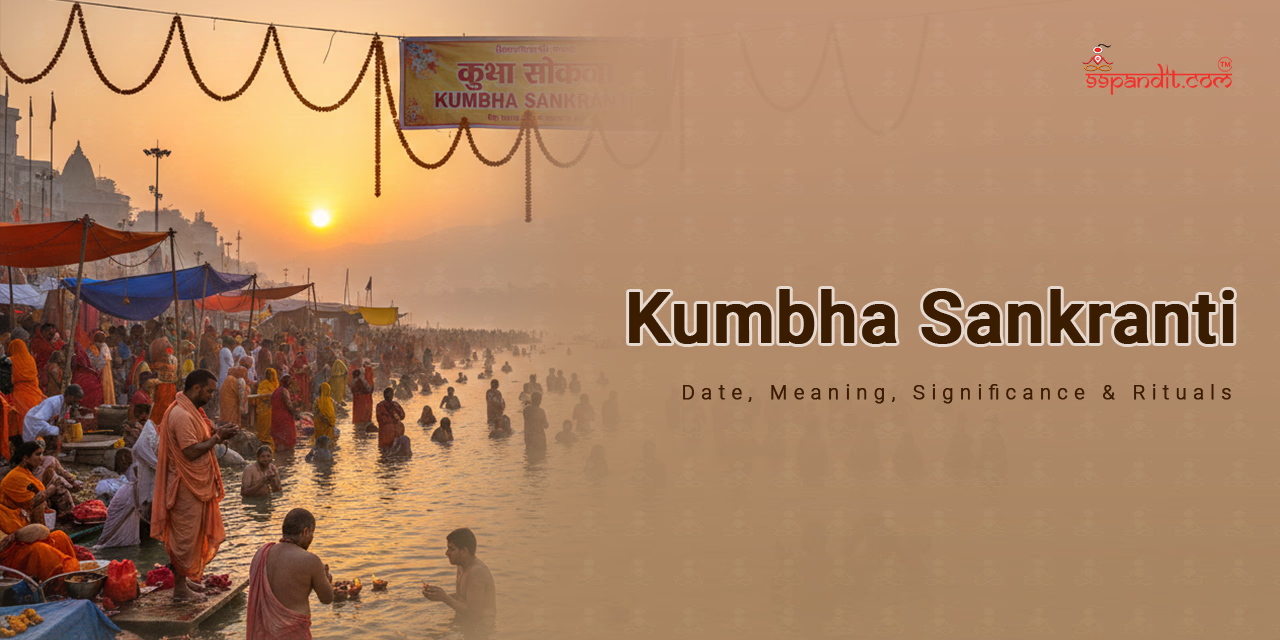
Authorities organize the fest at holy places, including Allahabad, Haridwar, and the Godavari River in Nasik.
A number of people every year visit the Ganga River to take a holy bath to cleanse themselves and their surroundings from all sins and negativity.
As the festival is celebrated all around India with utmost reverence. In West Bengal, the day starts from Falgun mass. This is also called Masi Masam according to the Malayalam calendar.
The Kumbha Sankranti 2026, like every year, thousands of devotees will take a bath in holy water in the Ganga by visiting the cities of Ujjain, Nasik, and Haridwar.
Let’s know more in detail about Kumbha Sankranti!
The puja vidhi of Kumbha sankranti 2026 could be performed by followers themselves, or they can even take the help of an experienced astrologer to conduct the rituals as per their comfort, on the given date and time:
| Event | Date | Moment / Muhurta | Punya Kaal | Maha Punya Kaal |
| Kumbha Sankranti | Friday, 13 February 2026 | 04:15 AM | 07:07 AM to 12:53 PM | 07:07 AM to 09:03 AM |
The Punya kaal and Maha punya kaal are the most useful time periods for spiritual events.
As the transit occurs in early morning hours on February 13th, the time instantly following sunrise is considered perfect for:
In the Hindu calendar, Kumbha Sankranti 2026 is a highly sacred moment when the sun transits into the zodiac sign of Aquarius (Kumbha Rashi).
The celestial change shows a turning point in cosmic and religious cycles, asking humanity to embrace renewal, transformation, and higher consciousness.
The movement of the sun in Vedic astrology indicates the soul’s travel through time, its entrance into Kumbha as a divine chance to purify the past, realign with dharma and be ready for spiritual ascension.
The Hindu religion has 12 Sankranti, and Kumbha Sankranti is celebrated as the second last. The duration changes year in year out.
It is among the biggest religious festivals in which individuals come together to a single location and celebrate the festivities.
The location is referred to as Kumbha Mela. Millions of individuals gather there and bathe in the sacred River Ganga in order to purge their sins.
Kumbha festivals include three major Parvakaalas, namely Makar Sanskranti, Mauni Amavasya and Vasant Panchmi. The Holy bath in the River Ganga is very significant.
The meaning of Kumbha is ‘pot’ or ‘vessel’, showing abundance and divine flow of wisdom. The transition of the sun into Aquarius signifies knowledge, service, and cleansing.
This transition also aligns with the Kumbha Mela period in some years, coinciding with the sun’s entry into Aquarius and Jupiter’s particular placement.
As per scriptures, people highly respect the Sankranti kaal—the time around the actual solar movement—for Punya Snan and Daan.
Kumbha mela started from the time when the Gods and demons used to live on earth. Kumbh means ‘pot’, i.e. pot of amrit that appeared from the Krishna Ganga, called as Ocean of milk.
As per the legends, devtas had lost their powers. To achieve their power, they visited lord brahma and lord shiva, but led the Asuras to lord vishnu.
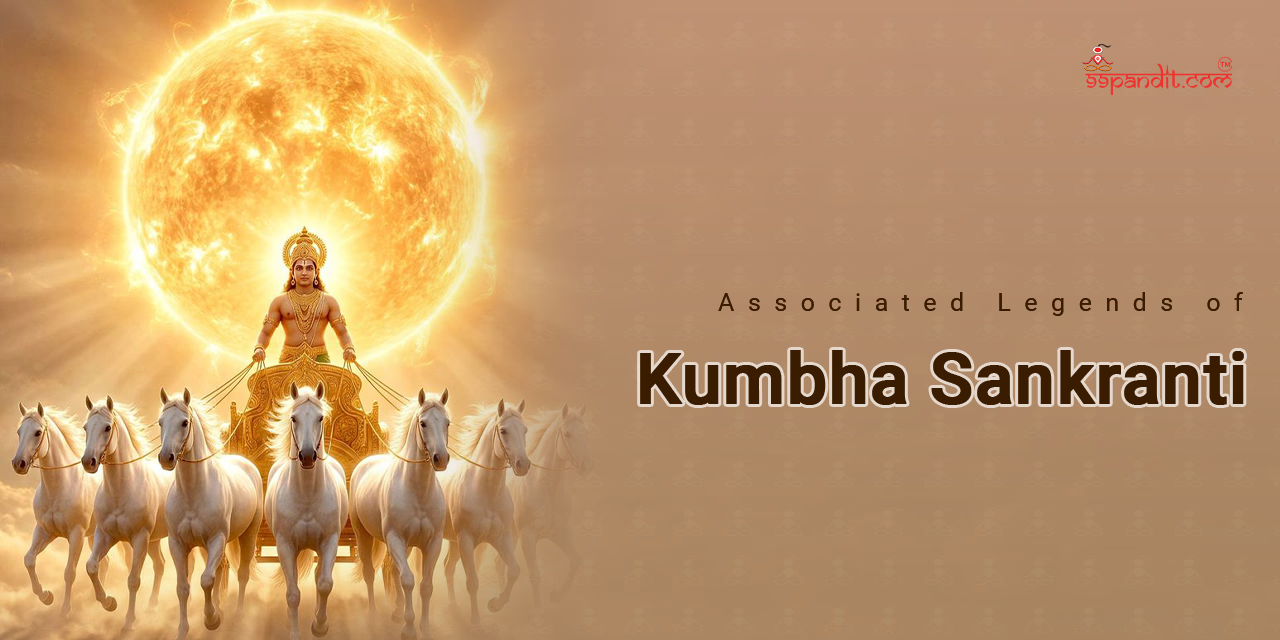
Lord Brahma guided them on the trick to regain power. He suggested devtas to churn the Krishna sagar and retrieve amrit.
As the task was tough, hence gods and demons agreed to share the pot mutually. When the amrit was retrieved, a fight took place between the Gods and the demons. The war continued for twelve days and twelve nights.
At the end, lord vishnu incarnated himself as the beautiful lady, Mohini and flew away, taking the pot.
While flying, some drops of pot fell down to four various places, Allahabad, Ujjain, Haridwar, and Nasik.
Hence, the places are known as the land where the Kumbha mela is celebrated every twelve years.
Historically, the Kumbha Sankranti became a huge celebration as it coincides with the agricultural and seasonal cycle of India.
People will gather to signify the end of winter and the beginning of a new phase of life.
The association of festivals with charity and holy baths in the river shows the ancient Vedic activities of catering to human activities with cosmic rhythms.
Over the ages, the rituals and importance of Kumbha Sankranti have been revolutionized, making it an important occasion in the Hindu spiritual calendar.
Its profound connection to cosmic mythology and emphasis on cleansing, selflessness, and spiritual enhancement have assured its enduring connection in both religious and cultural contexts.
The transition of the sun into Aquarius marks the festival of Kumbha Sankranti, which symbolises spiritual renewal and the commencement of sacred activities.
Observing the day includes multiple traditional practices focused on cleansing, devotion, and charity.
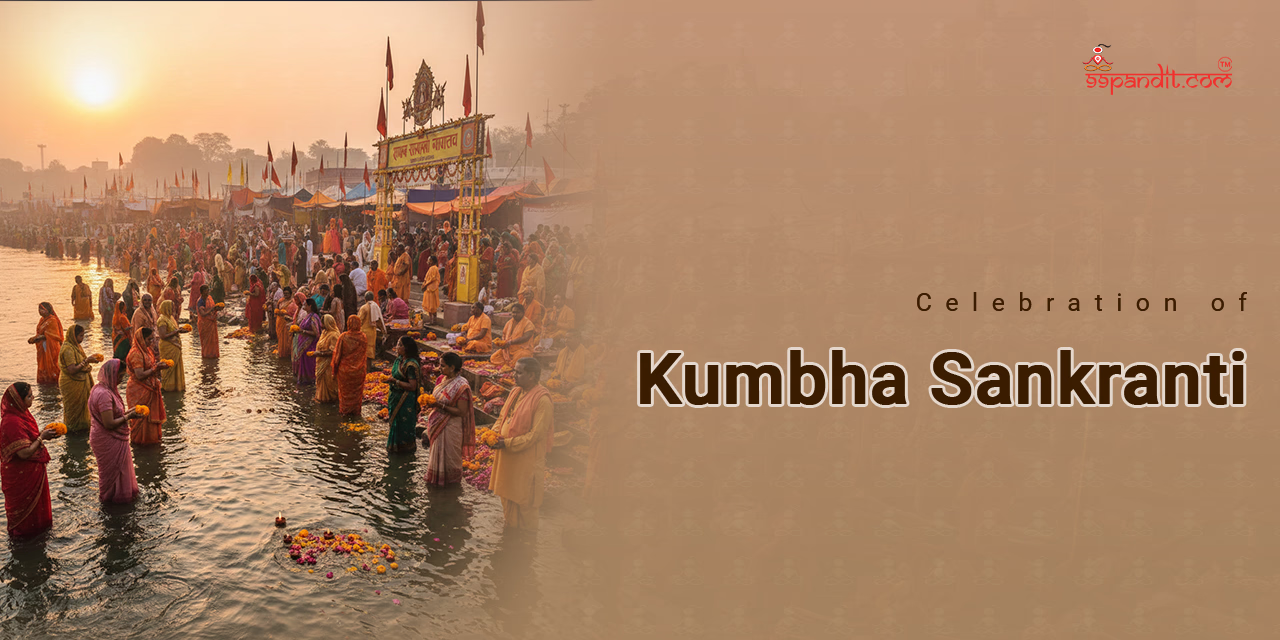
The following rituals are observed by the follower on Kumbha Sankranti:
The worshipers start the day with a holy bath in holy waters like the river Ganga, Yamuna, or the Shipra, considering that the water will cleanse their mind and body.
For those who could not take a bath in the sacred river, adding a few drops of Ganga jal to their bathing water at home is believed equally sacred.
After bathing, people offer water to the sun god (lord surya) while reciting particular mantras. The ritual called Surya arghya is considered to bless health, vitality, and prosperity.
Taking part in charity practices is a cornerstone of Kumbha Sankranti celebrations.
The followers donate food, clothes, and other important items to Brahmin pandits and the needy, inviting them to accumulate spiritual merit and purify past sins. Feeding cows is also considered highly sacred on the day.
Multiple people observer a day-long fast, dedicating time to prayer and meditation. Chanting holy scriptures, performing sacred fire rituals, and being involved in yajnas are basic activities. It fosters spiritual growth and inner peace.
Kumbha sankranti usually coincides with the Kumbha mela, a huge religious gathering held every twelve years at particular locations.
The pilgrims involved in Shahi snan during the time believed it led to moksha and purification of all sins.
Taking part in every ritual with devotion and sincerity, people cater themselves with cosmic rhythms, invoking divine blessings for prosperity, well-being, and spiritual growth.
A day of spiritual significance, and observing a simple puja at home enables the followers to please lord surya and find themselves with cosmic energies. This is the simple puja procedure:
Hence, following the easy puja steps with devotion, you please the divine presence of the sun god and receive his blessings for health and happiness.
‘Om Hram Hreem Hroum Sah Suryaya Namah.’
Meaning: Salutations to the Sun God, who blesses vitality, wisdom, and prosperity.
During the ocean churning, they used the hill of mantra and Vasuki, the snake, once the god, along with demons.
The churning rod was supported by lord vishnu on his sturdy back, who incarnated as a tortoise and hence named Kurmavatar.
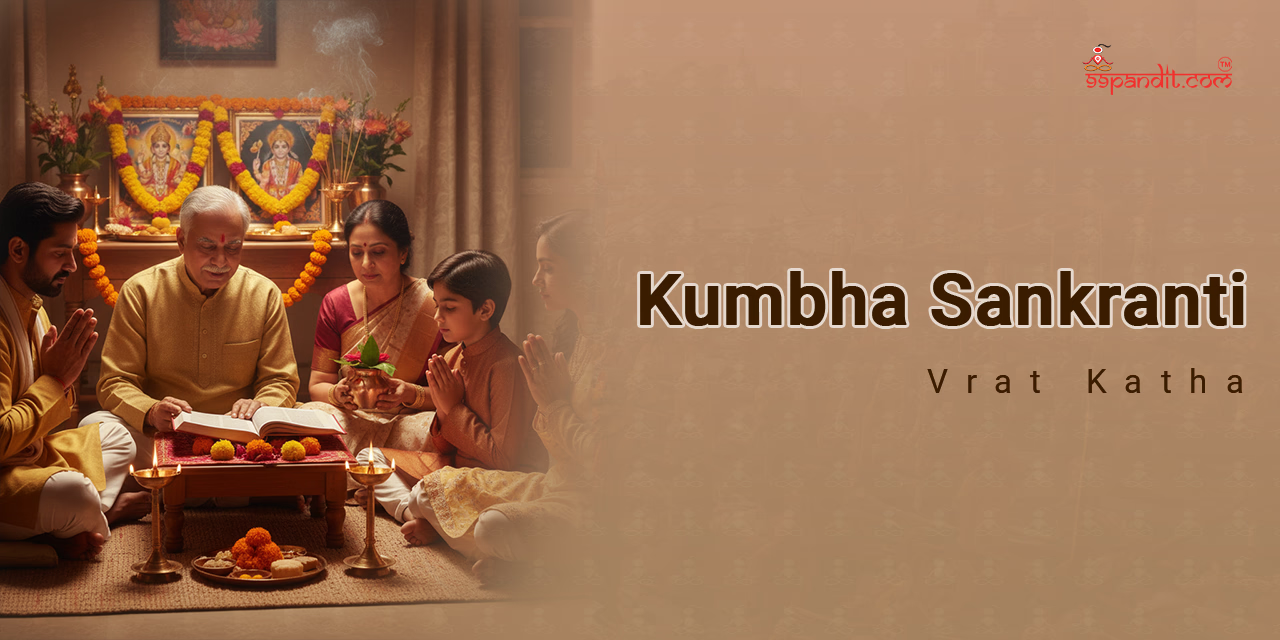
One next to the other, multiple things came out from the churning, and finally, there came a pot of nectar.
The gods were stressed that the demons would ruin the nectar; therefore, they hid it in four different places – Haridwar, Prayag, Nasik, and Ujjain.
The nectar of eternal life fell on the day of Kumbha Sankranti in the places, giving rise to most auspicious placed.
Hence, the day’s importance links to its extraordinary power to relieve sins; any man or woman taking a holy dip in the waters on this day gains prosperity and immortality.
This stems from the Kumbha Sankranti Vrat Katha; these places host the Kumbha Mela every 12 years.
These activities are believed to eliminate past sins and bring health, wealth, and spiritual growth.
Kumbha Sankranti is an auspicious reminder of the eternal rhythm of the universe and our places within it.
The holy day celebrates the Sun’s movement into Aquarius, showing a change for renewal, progress, and higher consciousness.
Performing rituals, fasting, and acts of selflessness, the followers not only honour the cosmic energies but also align themselves with the divine energy that maintains life.
When we celebrate Kumbha Sankranti, we are urged to cleanse our thoughts, adopt compassion, and cultivate spiritual awareness.
The sacred bath, offerings, and prayers indicate the washing away of negativity and embracing light, growth, and harmony.
Celebrating the festival with devotion and sincerity, we engage with the universal truth that the divine resides within us, leading us toward a path of righteousness, unity, and ultimate liberation.
Kumbha Sankranti is an observance of cosmic order, human resilience, and the eternal journey of the soul for enlightenment.
Table Of Content