

 Festivals
Diwali 2026: जाने दीपावली की शुभ तिथि, मुहूर्त और पूजा का महत्व
Diwali 2026 Date: हमारे इस भारत में कई सम्प्रदाय के लोग निवास करते है। आज हम हिन्दू धर्म…
calendar_today Feb 2, 2026
 Book Griha Pravesh Puja Online Book Now
 Vaisakhi 2026, also known as Baisakhi, is a vibrant religious and cultural festival celebrated in large parts of India. Vaisakhi marks the auspicious occasion of the beginning of the harvest season in North India.
It is a time for the communities to come together and express their gratitude for nature’s blessings.
Vaisakhi, celebrated as per the Solar calendar, is usually celebrated on the 13th or 14th of April every year. People will observe Vaisakhi 2026 on Tuesday, the 14th of April.
People of all communities celebrate Vaisakhi to mark the beginning of the harvest season, but this festival has a special significance for the Sikh community.
Vaisakhi (Baisakhi) celebration marks the establishment of the Khalsa Panth by the tenth Sikh guru, Guru Gobind Singh Ji.
Read the complete blog to find out interesting details about Vaisakhi 2026, such as history, significance, and delicacies.
Vaisakhi’s roots can be traced back centuries. Vaisakhi (Baisakhi) marks the first day of the Hindu month of Vaisakh. Vaisakhi has been celebrated as a harvest festival in Punjab for many centuries.
Farmers celebrate the harvest of Rabi (winter) crops and offer their gratitude to nature for its blessings.
This tradition is followed to this day. Colourful bhangra performances and Gidda dances mark the joyous spirit of Vaisakhi.
For members of the Sikh community, Vaisakhi (Baisakhi) is much more than a festival. It holds great significance for the Sikhs.
On the day of Vaisakhi in 1699, Guru Gobind Singh Ji, the tenth Sikh Guru, gathered a large crowd at Anandpur Sahib and asked whether anyone was willing to give their life for their faith. One by one, five men stepped forward. Rather than harming them, the Guru led each into a tent and emerged with him alive, dressed in new robes. These five men known as the Panj Pyare, or ‘Five Beloved Ones’ became the first members of the Khalsa , the collective body of baptized Sikhs founded on the principles of service, equality, and defending one’s faith.
This baptism ceremony, known as Amrit Sanchar, continues to be performed on Vaisakhi today, initiating new members into the Khalsa Panth
This special baptism ceremony bestows five Ks on the new members, namely, Kanghi (comb), Kada (steel bracelet), Kirpan (small sword), Kachha (underwear), and Kesh (uncut hair).
These five Ks are an inseparable part of the Sikh identity and commitment of the Sikh community to the core values of Khalsa.
India celebrates Vaisakhi as one of its most significant festivals. People celebrate Vaisakhi to mark a new beginning. The paragraph outlines key points that highlight the significance of Vaisakhi.
Renewal and New Beginning:
Vaisakhi marks the beginning of the new solar year as per the Hindu calendar. Vaisakhi reflects the time for a fresh start and new goals for the coming year.

Spirit of Service:
Service is the founding spirit of Khalsa Panth. Vaisakhi acts as a reminder to the members of the Sikh community to uphold these core values and contribute towards the betterment of society.
Spirit of Unity:
Vaisakhi brings people together and helps them to foster the spirit of community and shared joy. Vibrant celebrations and community meals (known as langars) reinforce this spirit of unity.
Expressing Gratitude:
Vaisakhi is a day to express gratitude for the harvest. Farming communities across different faiths offer thanks for the season’s blessings, while for Sikhs, this gratitude is expressed through prayer to Waheguru (God) at the Gurudwara.
Vaisakhi (Baisakhi) is one of the most important festivals in Haryana and Punjab. It is a public holiday in these states on the day of Vaisakhi.
People mark Vaisakhi with colourful processions, colourful Bhangra performances, and ‘Gidda’ dances.
Gurudwaras also hold community prayers to mark the beginning of the new agricultural season.
A key attraction of the Vaisakhi (Baisakhi) celebration is the preparation of sweet delicacies such as kheer and besan barfi.
Devotees share these sweets with friends and family. The celebration of Vaisakhi (Baisakhi) extends beyond Punjab and Haryana.
Sikh people living in countries such as the United States, the United Kingdom, and Canada celebrate Vaisakhi (Baisakhi) with joy and devotion.
These celebrations showcase Sikh traditions and culture to the young generation. It is beneficial in keeping the Sikh culture alive in foreign countries.
Vaisakhi (Baisakhi) is celebrated as one of the most important festivals in India. There are many ways in which people can get a first-hand experience of Vaisakhi 2026. List some of the most important methods.
Visit a Gurudwara:
Become a witness to community spirit and spiritual prayers by visiting a nearby Gurudwara on the day of Vaisakhi.
Community Celebration:
Attend local events organized by the Sikh community in your area. Witness cultural performances and spiritual talks, and get the opportunity to interact with the members of the Sikh community.
Vaisakhi Mela (Fair):
Attend a Vaisakhi mela to immerse yourself in a festive atmosphere. Experience live bhangra performances and the ‘Gidda’ group dance at a nearby Vaisakhi mela. Savour delicacies and get to learn more about the Sikh culture.
Immerse yourself in the spirit of Vaisakhi by preparing traditional dishes associated with this festival.
No Vaisakhi festival is complete without a couple of traditional sweet dishes. Read further to learn more about these traditional Indian delicacies.

Kheer:
Kheer, the traditional Indian sweet milk, is much more than a rice pudding. Preparing kheer is considered auspicious for festivals and important occasions.
It is easy to prepare kheer at home. Simply take milk, rice, and dried fruits in appropriate proportions and offer the dish as prasad to the deities. Add saffron as per the availability.
Besan Barfi:
During Vaisakhi, people prepare besan barfi, a popular sweet dish. Gram flour, ghee, and sugar are used to prepare this traditional Indian delicacy. The celebration of Vaisakhi is not complete without besan barfi.
Coconut Laddoo:
Coconut laddoo is one of the most liked sweet dishes for the Vaisakhi 2026 celebration.
Although coconut laddoos are not traditionally associated with the celebration of Vaisakhi, people can incorporate them into Vaisakhi festivities.
They can offer coconut laddoos along with kheer and besan barfi. Serve coconut laddoos best with sliced nuts such as almonds and pistachios as the topping.
Wheat based Dishes:
Wheat-based dishes such as Makki Ki Roti hold special significance during Vaisakhi, since the festival marks the wheat harvest. Many families prepare fresh roti or seasonal sweets using the newly harvested grain.
Vaisakhi 2026 is more than a harvest festival. This vibrant tapestry of history, culture, and faith weaves together in this spiritual celebration.
People celebrate Vaisakhi 2026 to incorporate the principles of community, faith, and unity into their lives.
Vaisakhi has a special place for members of the Sikh community. On this day, the tenth Guru of Sikhs, Guru Gobind Singh Ji, established the Khalsa Panth.
People come together and participate in group dances such as ‘Gidda’ and Bhangra to foster community spirit and get a vibe of Vaisakhi.
The main purpose of the Vaisakhi (Baisakhi) celebration is to encourage people to embrace gratitude and the spirit of unity.
Encouragers are urging more and more people to live their lives with a purpose and to make valuable contributions towards building a harmonious and prosperous community.

Table Of Content
Expert and trusted pandits available for every puja, ritual, ceremony, and celebration
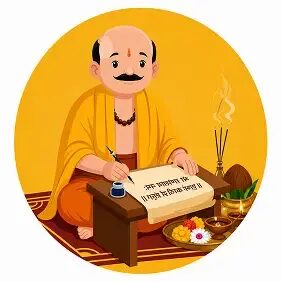
Devotees will celebrate Vaisakhi 2026 on the 14th of April, Tuesday. Every year, Vaisakhi (Baisakhi) is celebrated on the 13th or 14th of April as per the solar calendar.
Guru Gobind Singh Ji, the tenth guru of Sikhs, established Khalsa Panth in 1699 on this day. A unified Sikh community committed towards service, progress, andthe defence of their faith was created on this day.
People celebrate Vaisakhi by participating in vibrant processions, lively bhangra and ‘Gidda’ performances. They can visit nearby Gurudwaras and share traditional delicacies with friends and family.
People prepare traditional Indian dishes such as kheer and besan barfi on the occasion of Vaisakhi. Community meals (langars) are also prepared that emphasize the Sikh principle of selfless service (seva).