Veerabhadra Temple, Lepakshi: Timings, History & How to Reach
Veerabhadra temple, also called Lepakshi temple, was made in the 16th century by two brothers, Viranna and Virupanna. They were…
 0%
0%
 Book Griha Pravesh Puja Online
Book Now
Book Griha Pravesh Puja Online
Book Now

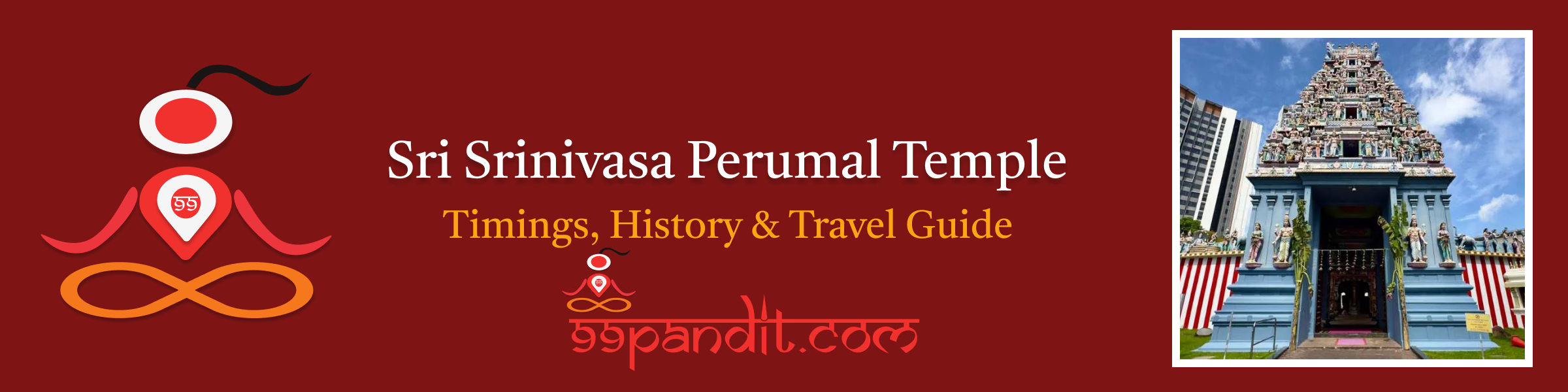


Sri Srinivasa Perumal Temple is the oldest temple located in Singapore. This is dedicated to the Hindu god, Sri Perumal, an incarnation of lord vishnu.
The structure of the temple we see today was developed in the 1960s, though the temple’s history dates back to the 1800s.
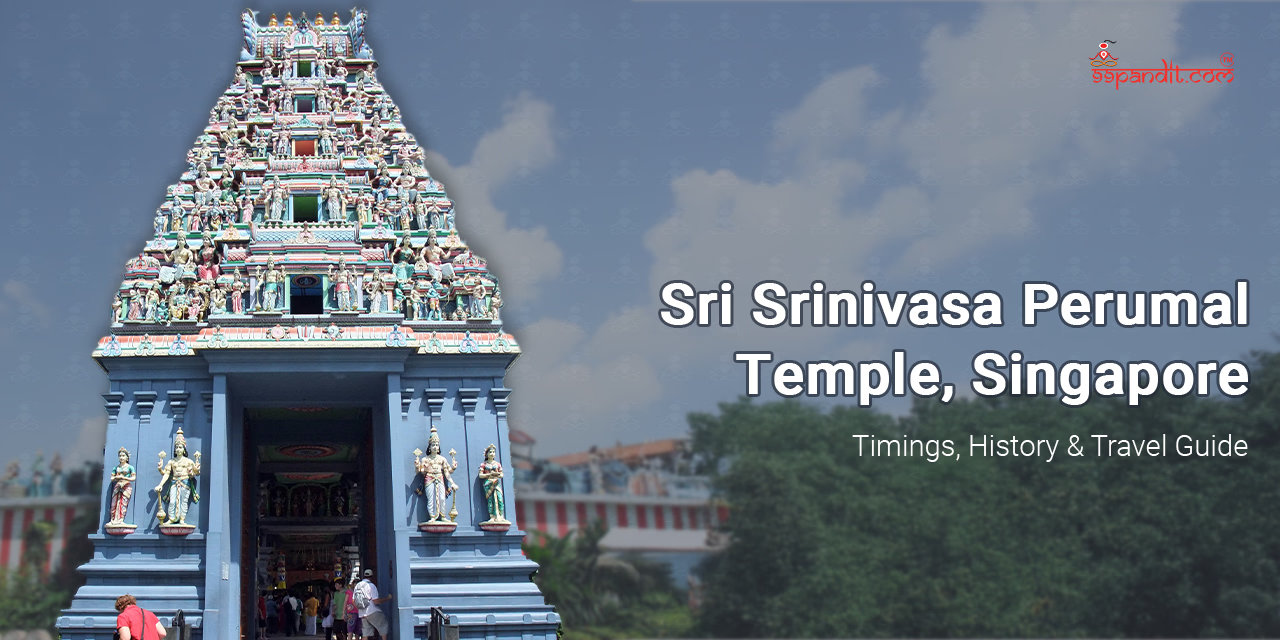
In 1885, the community knew it as Narasinga Perumal Temple, but later renamed it Sri Srinivasa Perumal Temple after rebuilding it.
Since then, the government declared the temple a National Monument, and it has undergone multiple redevelopments and improvements.
The temple stands in the Little India district of Singapore, just a few meters away from the popular Mustafa shopping centre.
The Sri Srinivasa temple is one of the largest of all in Singapore. This is just a small brief of the temple; in this post, we will discuss in detail the temple timing, history, and travel guide.
The Sri Srinivasa Perumal temple is the hindu place to honor lord Vishnu, which is located along Serangoon Road in Little India.
A shrine of lord vishnu, who is the deity of Preservation, the temple is recognized for its magnificently ornate 20-metre high gopuram that shows the multiple incarnations of the deity.
The Dravidian architecture of the temple is a visual representation, with thousands of detailed scriptures and paintings depicting the five-tiered tower and ceiling that transport pilgrims into the world of Hindu mythology.
One of the largest and oldest temples in the country, the Srinivasa Perumal Temple initially grew in 1855, and the government recognised it as a national monument in 1978. P.
Govindasamy Pillai, a known South Indian philanthropist, funded the temple’s development mainly through his donations.
The popular landmark consists of idols of Lord Vishnu along with his wife Lakshmi, Andal, and his mount Garuda.
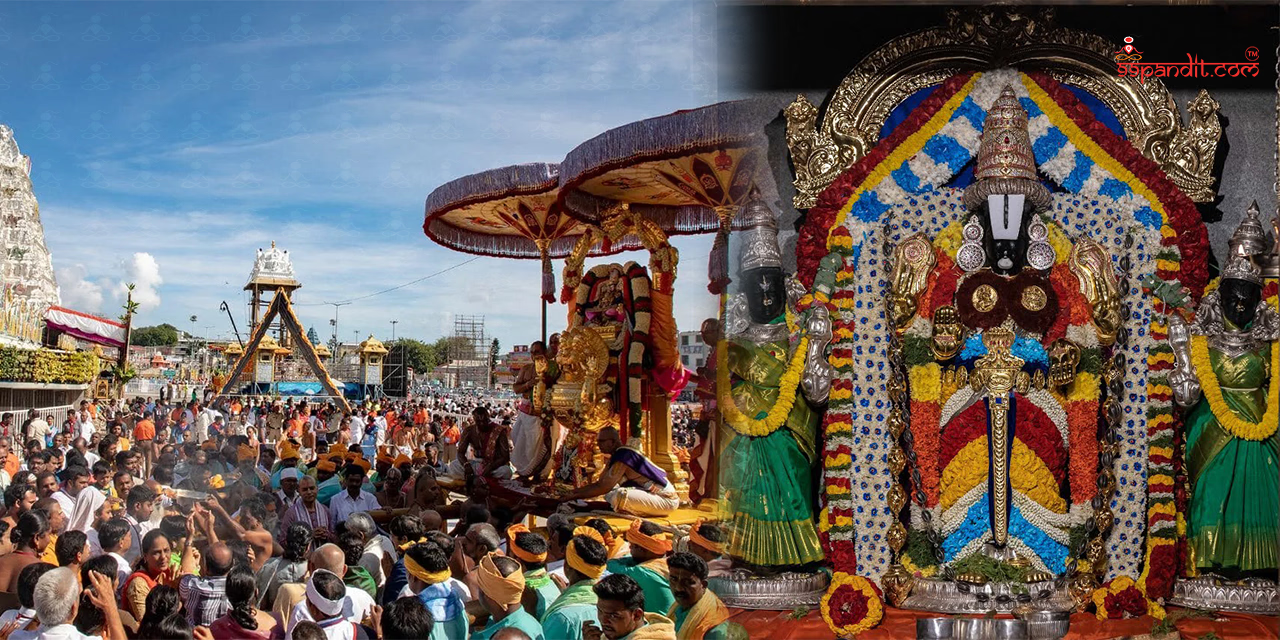
The significant Hindu festivals like Thaipusam, Brahmotsavam, and Vaikunta Ekadashi are celebrated with enthusiasm, and the prasadam is a must to try.
The history of the temple dates back to the 1800s when strong group leaders decided to develop a temple for the Vaishnavites in Singapore.
The original temple structure was still the same until the early 1950s. In 1942, the Mohammedan Hindu Empowerment Board of Singapore decided to reinstate the Srinivasa Perumal Temple.
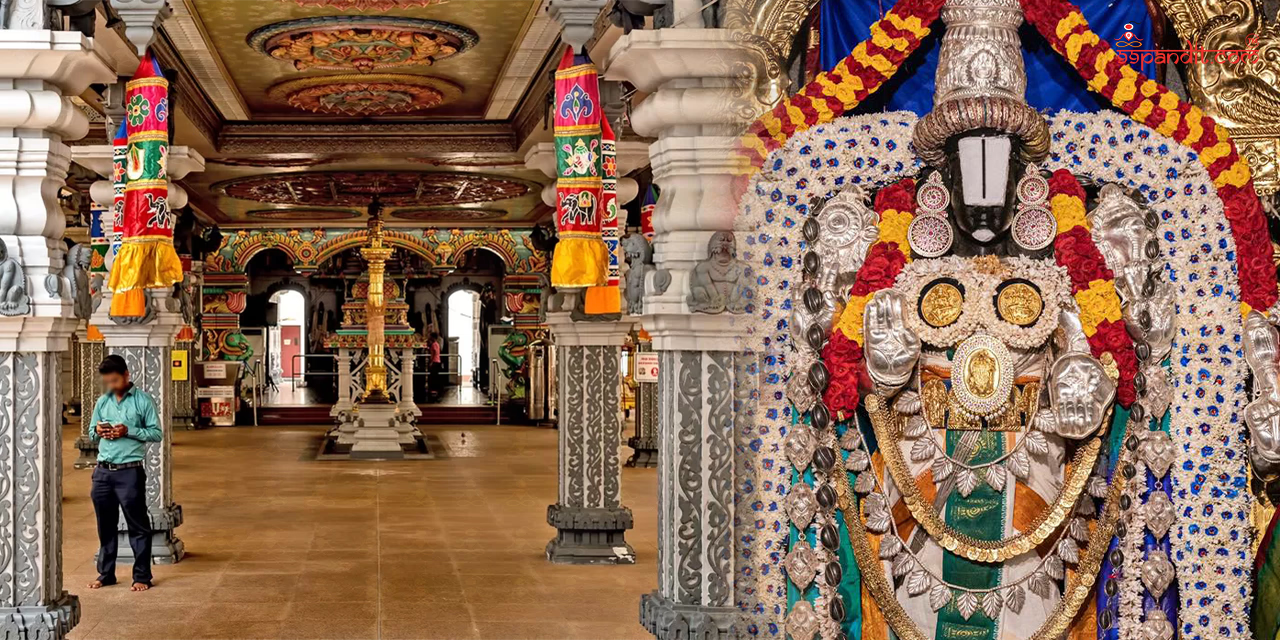
The renovation occurred in the 1960s when Mr. Pillai funded a considerable amount of work.
The architects completed the current temple building, along with the Rajagopuram and the covered walkway, in 1966.
At the time, multiple elders and well-wishers preferred the renaming of the temple from Sri Narasimha to Sri Srinivasa Perumal Temple.
The temple has undergone financial factors that hindered the development of rajagopuram. Yet, thanks to Mr. Pillai’s funding, workers completed the gopuram later in the 1970s.
In 1978, the Preservation of Monuments Board declared the temple a national monument. Earlier, a stream led into the premises and was an essential part of the ritual to purify before starting the honor.
Now, an inner courtyard, a well marks the place where the stream used to flow. A Tulsi plant, also called the Basil plant, now sits inside and acts as a symbolic holy bush for Hindus.
Religious devotees begin their journey at the temple during the annual Thaipusam festival to show dedication and gratitude to Lord Murugan.
During the festival of lights, Diwali, the temple offers breakfast and special Indian sweets to large crowds joining the prayers.
In the evening, devotees will bring the deity on a chariot around the temple.
The Sri Shrinivasa Perumal Temple in Singapore usually follows a split schedule where it is accessible in the morning and evening, closing during the mid-afternoon.
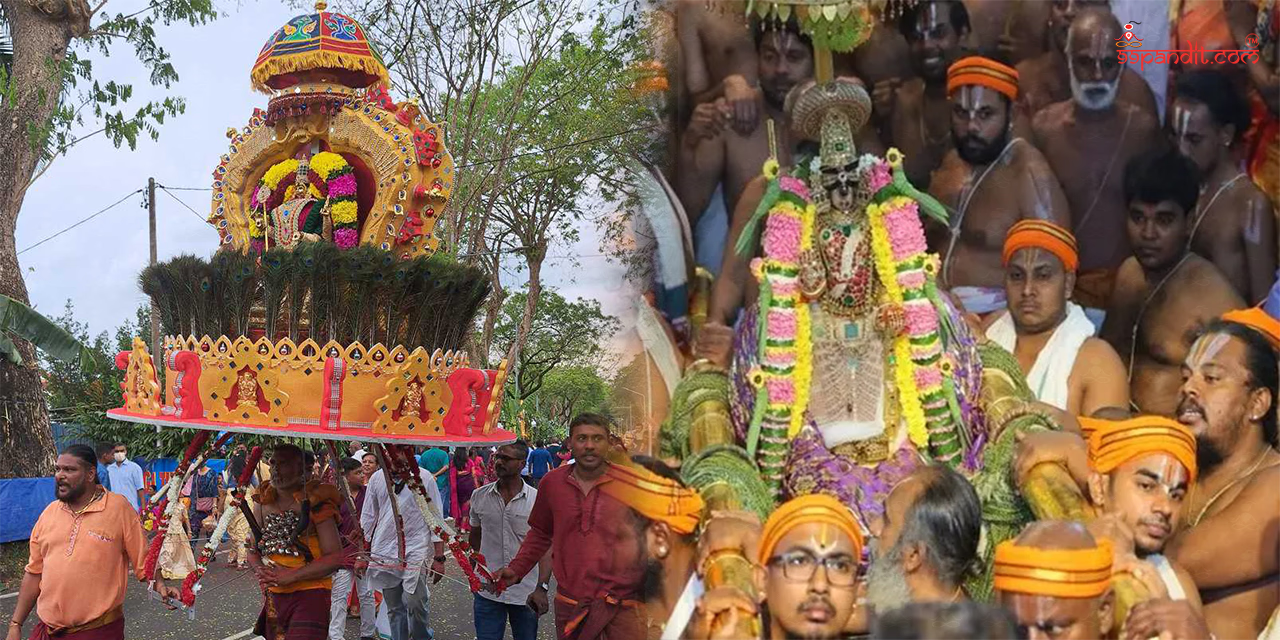
The temple is open for devotees daily during the following windows:
Note: The temple opens on Saturday and during big festivals (such as Thaipusam or Purattasi), it usually remains open later in the morning, often until 12:30 PM or 1:00 PM.
If you want to experience or participate in certain rituals, the standard temple timings are:
| Ritual | Morning Timing | Evening Timing |
| Suprabatham (Awakening) | 6:15 AM | — |
| Viswaroopa Dharisanam | 6:40 AM | — |
| Kaalasanthi | 7:30 AM | — |
| Sayaratchai | — | 6:00 PM |
| Arthajaamam | — | 8:00 PM |
| Uchchikaalam | 12:00 PM (12:30 PM Sat) | — |
Witness the divine festivals at Srinivasa Perumal Temple that gives deep experience into Hindu customs and the vibrant communal spirit of Singapore.
This is what you can experience here:
The Sri Srinivasa Perumal Temple stands at 397 Serangoon Road, in the core of the vibrant Little India district. It connects exceptionally well to transport links, making it easy to reach.
This is the easiest way to reach the Srinivasa Perumal temple.
There are various bus routes that stop directly in front of or near the temple.
If you’re visiting Little India, the temple is just a 10 to 15-minute walk from the station. Walking led to witnessing other landmarks such as the Veeramakaliamman temple.
The Sri Srinivasa Perumal Temple is more than only a place of honor; it is a living testament to Singapore’s multicultural narrative.
From its humble beginnings in 1855 as a sanctum for early Tamil residents to its current status as a national monument, the temple has revolutionized alongside the nation itself.
Its beautiful Dravidian architecture, located around the iconic 20-meter gopuram, acts as a beacon of spiritual calm amidst the modern urban landscape of Serangoon Road.
If you are exploring the temple, seek blessings during Sacred Vaikunta Ekadashi, or just admire the detailed carvings of Dashavatara, the temple gives an immense experience into the core of Hindu tradition.
For travellers and locals, a visit offers a unique opportunity to engage with the roots of the Indian people and value the diverse religious tapestry that signifies Singapore.
Table Of Content