
 Rituals
Tamil Wedding Rituals in Chennai: Sacred Ceremony Guide
Traditional Tamil weddings are meaningful, vibrant, multi-day celebrations rooted in Vedic and Sangam traditions. The ceremonies are a…
calendar_today Jul 15, 2026
 Book Griha Pravesh Puja Online Book Now


Vehicle Puja is a sacred Hindu ritual practiced to seek blessings for safe travel and protection against evil energies.
A comprehensive Vehicle Puja vidhi with the right sequence of steps, mantras, invocation and intention ensures safety and protection from accidents and the overall prosperity and longevity of the vehicle.
A new vehicle is seen as more than a mode of transport; for many families, it is an achievement of a significant milestone, an aspiration, and fresh beginnings.
This is why it is performed to seek blessings from deities and with the intent of protection, safety, and prosperity of the vehicle and the occupants.
This guide helps you walk through the complete Vehicle Puja Vidhi, including the auspicious timings, items required, and the step-by-step process, to hit your new milestone with divine blessings and protection.
Expert and trusted pandits available for every puja, ritual, ceremony, and celebration
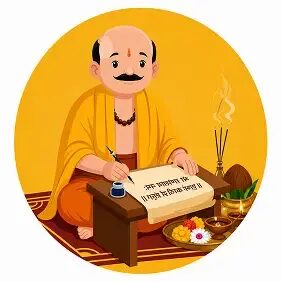
At its core, the relevance of Vehicle Puja rests on the traditional belief that whatever serves us, such as a home, a tool, or a mode of transport, deserves reverence.
A vehicle here is not just a piece of machinery, although it is considered an extension of the household which will be part of countless journeys ahead.
Religious Significance: In Hindu tradition, a vehicle, whether it is a car, motorcycle, or bicycle, is seen as more than a mode of transport; it is revered as a partner of livelihood, mobility, and the everyday rhythm of life.
A Path Free of Obstacles: An appeal to Lord Ganesha is the core of every Vehicle Puja. Lord Ganesha is associated with clearing obstacles, and his divine blessings ensure safe journeys ahead and divine protection from accidents and unexpected troubles.
Divine protection: Beyond Lord Ganesha, practitioners seek divine blessings from Lord Vishwakarma, Lord Shiva and Lord Hanuman for an added layer of divine protection.
Honoring a Tool of Livelihood: For thousands of households, a vehicle is not just a mode of transport; rather, a source of daily income. This is why this puja symbolises gratitude towards the machine, acknowledging it as the family’s livelihood.
Psychological Peace: There’s also a quieter, more personal layer to the ritual. Formally blessing the vehicle is believed to give the owner a feeling of reassurance before they take it out into the world, and many drivers say that this small act of mindfulness carries into how carefully they drive afterward.
Once the auspicious mahurat is selected after consulting with a Vedic Pandit, the vaahan Puja must be performed with the Vedic procedure either at a temple or at your doorstep.
Let’s delve into the traditional step-by-step sequence of a typical Vehicle Puja to bless your future journey.
| Item | Purpose |
| Ganesha idol/photo | Central deity for obstacle removal |
| Kumkum (vermilion) and Haldi (turmeric) | Applying a tilak on the vehicle and idol |
| Flowers (preferably marigold) | Offering to the deities and decorating the vehicle |
| Coconut | Broken in front of the vehicle as a symbolic offering |
| Lemons (5 or 7) | Tied under the vehicle or crushed under the tyres to ward off negative energy |
| Diya (oil lamp) and incense sticks | Lighting during the puja for purification |
| Akshat (unbroken raw rice) | Offered during prayers |
| Red cloth or thread (Kalava) | Tied to the vehicle’s mirror or bumper |
| Sweets (prasad) | Offered to deities and later distributed |
| Holy water (Gangajal, if available) | Sprinkled on the vehicle for purification |
Expert and trusted pandits available for every puja, ritual, ceremony, and celebration
| Occasion/Tithi | Timing (Hindu Calendar) |
| Akshaya Tritiya | Shukla Paksha Tritiya, Vaishakh month |
| Dhanteras | Krishna Trayodashi, Kartik month |
| Vijayadashami (Dussehra) | Shukla Dashami, Ashwin month |
| Vishwakarma Puja | Kanya Sankranti (typically mid-September) |
| Diwali (Lakshmi Puja) | Amavasya, Kartik month |
| Guru Pushya Nakshatra Yoga | Occurs when Pushya Nakshatra falls on a Thursday |
| Ravi Pushya Nakshatra Yoga | Occurs when Pushya Nakshatra falls on a Sunday |
| Basant Panchami | Shukla Panchami, Magh month |
| Makar Sankranti | Mid-January (solar transition) |
| Navratri (all 9 days) | Shukla Paksha, Ashwin/Chaitra month |
Certain windows are traditionally considered inauspicious for performing vehicle puja.
Although the intent of the Vehicle puja vidhi remains consistent everywhere, its practice can differ slightly due to different regional and community practices.
Expert and trusted pandits available for every puja, ritual, ceremony, and celebration
Forget booking a priest in the excitement of buying a vehicle? Hold on! You don’t need to rush; just open your phone and book an experienced Vedic Pandit specialised in your regional traditions and language with just a few steps.
With 99Pandit, you can book a Vedic Pandit in a few steps and secure your hassle-free Vaahan Puja anywhere.
The experienced priest ensures the ceremony is complete with the right sequence and with the appropriate mantras for their tradition. The Pandit arrives on time at your selected location to perform the ritual with precision.
Expert and trusted pandits available for every puja, ritual, ceremony, and celebration
Hence, start your beautiful, safe journey with sacred peace and divine presence by performing elaborate vaahan puja.
With the detailed Vehicle Puja Vidhi, you can perform the ritual yourself or book a Vedic Pandit specialised in the procedure with 99Pandit.
What matters the most is the sincerity, devotion, and intention while performing the ritual.
Despite regional variations, this puja upholds the same spirit of reverence and the hope of countless journeys ahead.
Ultimately, let Lord Ganesha, Lord Vishwakarma, Lord Hanuman, and other deities be the partners of your future endeavours.
Table Of Content
Panchami (5th tithi), Dashami (10th tithi), Trayodashi (13th tithi) and Purnima (Full Moon) in Shukla Paksha are preferred for Vaahan Puja.
Lemons are placed and crushed under the tyres as a gesture to eliminate evil energies, which symbolise an obstacle-free first ride.
Yes, the core intent of the Puja remains the same whether it is a bicycle, scooter, car, truck, or commercial vehicle.
Yes, many families perform the puja for pre-owned vehicles to rest the vehicle spiritually before making it a part of their lives.
According to Vedic tradition, Fridays, Mondays, and Wednesdays are considered highly auspicious for vehicle Puja. However, Saturdays are generally avoided.


 Ontime Service
  Certified Pandit
  Transparency