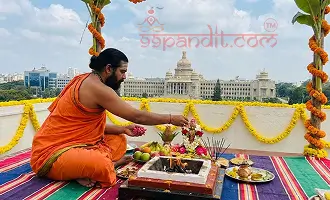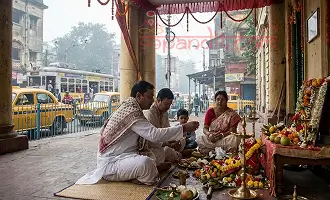

Phalguna Purnima 2026: Date, Vrat Katha, Rituals & Significance
Phalguna Purnima 2026 is the last full moon of the Hindu lunar year. This sacred day will be celebrated on…
 0%
0%
 Book Griha Pravesh Puja Online
Book Now
Book Griha Pravesh Puja Online
Book Now



The Hindu Vrat List includes sacred fasting days observed throughout the year to honor deities, seek blessings, and cultivate spiritual growth through self-discipline and devotion.
A complete Hindu Vrat List encompasses weekly vrats like Somwar (Monday) for Lord Shiva, Mangalwar (Tuesday) for Hanuman Ji.
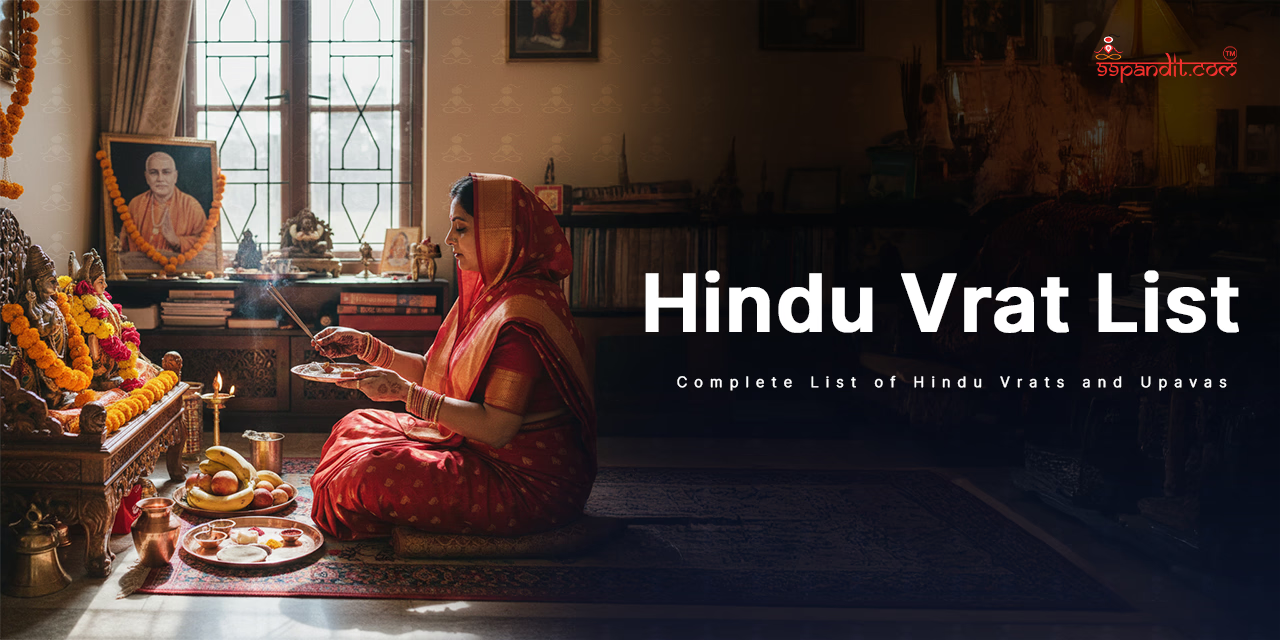
Monthly observances like Ekadashi and Purnima, and annual festivals such as Karwa Chauth, Navratri, and Maha Shivaratri, each with unique rituals, significance, and spiritual benefits.
Following regular vrats brings multiple benefits beyond religious practice. Spiritually, fasting deepens your connection with the divine and enhances devotion through focused prayers and meditation.
Mentally, it builds self-control, discipline, and inner strength while bringing calmness and clarity to your thoughts.
Physically, periodic fasting helps detoxify the body, improves digestion, and promotes overall wellness when done mindfully.
In Hindu culture, vrats are not just about abstaining from food; they represent a personal journey of purification, gratitude, and mindfulness.
Whether you observe vrats for health, devotion, or fulfilling wishes, understanding the complete list and their meanings helps you connect more deeply with your spiritual path.
Following a properly organized vrat calendar has an important of creating a calm and regular spiritual practice.
Knowing exactly which vrat is on which day makes it quite simple to stay loyal, get ready mentally, and keep each fast with the right sense of purpose.
The Hindu Vrat List is like a little helper; it tells us that spiritual discipline becomes stronger if it is followed regularly and with awareness.
The other significant point is knowing the reason for each vrat. Every fast has its own meaning; some bring the lesson of self-control, some thankfulness, and others devotion and surrender.
If we are told why we should fast, then the whole procedure becomes more loyal to the spiritual side, and it uplifts us more. Most beautiful of all, the practice of vrat helps us keep dharma in daily life.
It reminds us that we should live with purity, love, attentiveness, and the divine values, thereby turning our daily routine into a more conscious and spiritually rich journey.
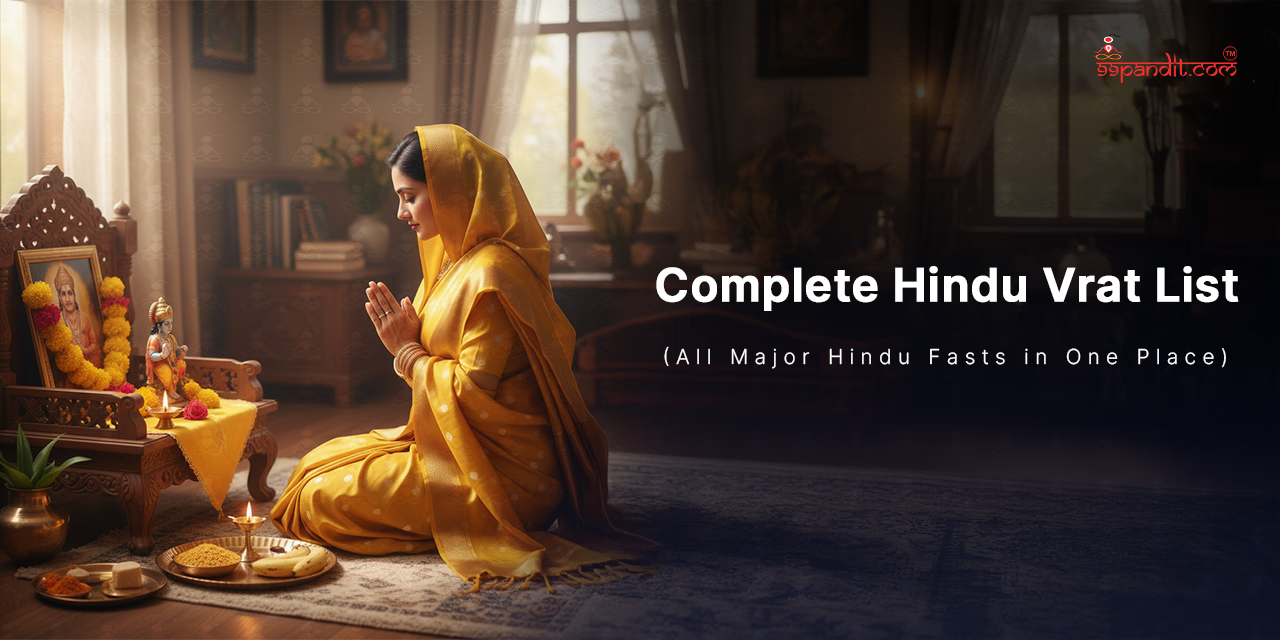
Every fasting day is marked by an early morning bath, which not only cleanses the body but also the mind.
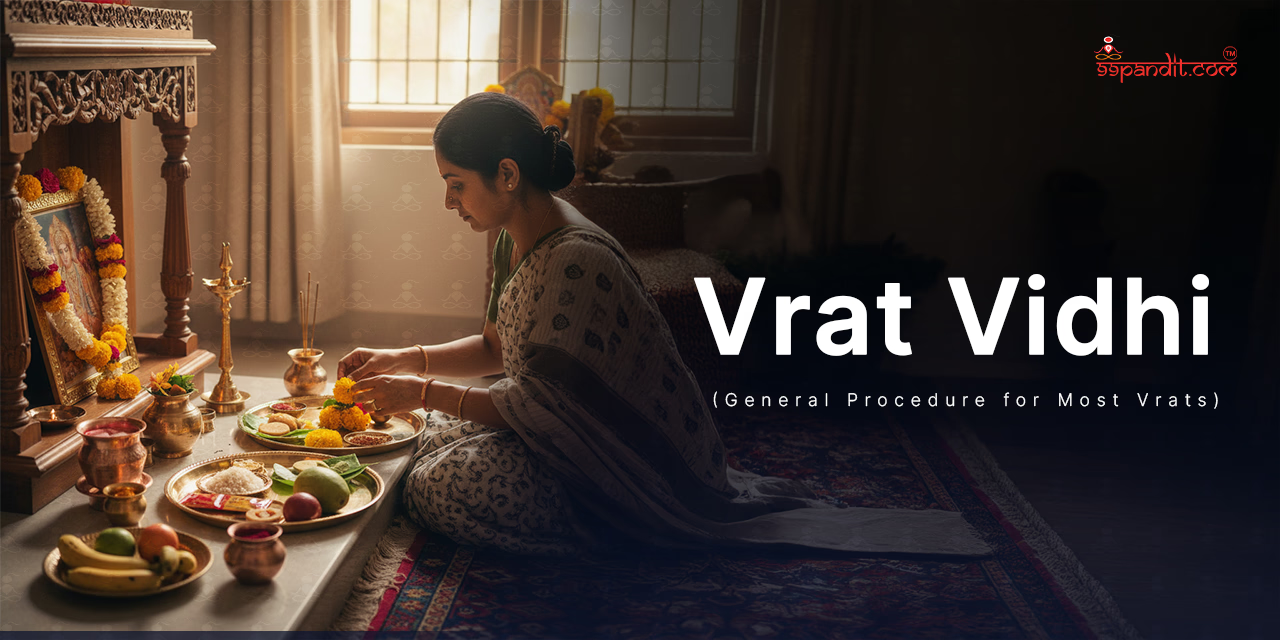
After setting up the altar, the devotees take a sankalp, which is an oral promise to carry out the fast in a true manner, with discipline, purity, and devotion. This first resolve is what actually lays the spiritual groundwork for the entire fast.
The lighting of a diya is done to signify the arrival of the divine light and freshness in the house. After making the place worthy, the related vrat katha is read.
The katha is the story that imparts the spiritual aspect of the vrat and thus serves as a bridge between the devotee and the deity on emotional and mental levels.
The majority of vrats are based on a sattvic diet, which includes fruits, milk, and nuts along with vrat-friendly meals.
Depending on the nature of the fasting day, some might take up a complete fast, while others will have some food.
Observing the right diet not only keeps the body in harmony but also acts as a vehicle for the spiritual goal of fasting.
During the whole day, meditation and mantra chanting are the main activities for the devotees to keep their minds fixed on God.
At the same time, performing acts of charity like giving food to the needy people or donating necessary things increases the punya or merit of the vrat, and at the same time, the love for the Divine grows within the heart.
The fasting ritual is completed either by the sighting of the moon or the performance of the evening puja, followed by breaking the fast.
It is advised that this breaking of fast should be done calmly and be accompanied by gratitude along with the prayerful intention, thus making the whole act harmonious and respectful.
No matter what, a vrat is truly powerful only when it is observed with a clean heart, positive thoughts, and a sattvic mindset.
The practice of humility and the devotional attitude will make the vrat not only spiritually rewarding but also instrumental in personal growth.
Spiritual clarity and devotion are very much in focus when one adheres to regular vrats. The mind in such cases becomes calmer and more divinely oriented. Less distraction takes place when you sincerely perform the Hindu Vrat List.
Inner purity is elevated, and your heart, through this sacred process, slowly establishes a deeper connection with the Divine energy and higher consciousness.
Sometimes, keeping regular fasts is a sure way of building one’s discipline as well as mental strength.
It also equips the mind to be able to endure fleeting moments of desire, which cannot be controlled.
By means of fasting, one can get an important physical benefit while at the same time, the foodstuffs being consumed are highly recommended for good health.
Sattvic and light foods not only help in digestion but also detoxify the system and, therefore, give the body a natural rest.
The result of this careful diet over time will be a person who is lighter, healthier, and more energetic.
Some vrats are connected with specific gods and planets, which makes them great for planetary strengthening through certain vrats.
When this vrat is undertaken with devotion, it is a very effective tool for balancing planetary influences, doshas, as well as bringing harmony, protection, and even stability into different aspects of life.
The enhancement of one’s positivity and emotional stability is just one of the many beautiful outcomes of fasting.
Fasting accompanied by prayer, purity, and mantra-jap is mentally very soothing and therapeutic, which in turn leads to inner peace.
It is very important to keep track of vrat accuracy if you want to get the full spiritual benefit from fasting.
When you observe the Hindu Vrat List properly in terms of timing, purity of intention, and method, the vrat will have more power and will be more in line with the divine.
The tithi, mantra-jap, and sankalp that you perform make sure that each time you fast, you become connected with the correct cosmic energies.
With a bit of awareness and self-control, it will be effortless for you to comply with each vrat in its purest and most authentic form.
Keep Vrat Accuracy:
Following vrats becomes much easier and more meaningful when you have a proper guide, and in that sense, this Hindu Vrat List truly comes to your help, giving you clarity on when and how to observe each fast.
If you have an appropriate calendar and understanding, your fasting every year will be a strong spiritual practice that cleanses the mind and strengthens the inner willpower.
Spiritual clarity, emotional stability, and a profound feeling of union with divine energies are some of the benefits one gets through regular vrats.
Gradually, this modest discipline has the power to change your internal world; your thoughts get calmer, your intentions purer, and your devotion more spontaneous and less requiring of effort.
That is the true beauty of following a consistent vrat routine. As you move forward, remember to observe each vrat with sincerity, purity, and gratitude.
Let this practice guide your spiritual journey with ease. Use this vrat list as a gentle companion and allow devotion to shape your days with peace, balance, and divine alignment.
Table Of Content
 Number.

Enter the OTP sent to
Chat with verified astrologers on 99Pandit and receive personalized guidance for every stage of life.






 Ontime Service
 Certified Pandit
 Transparency