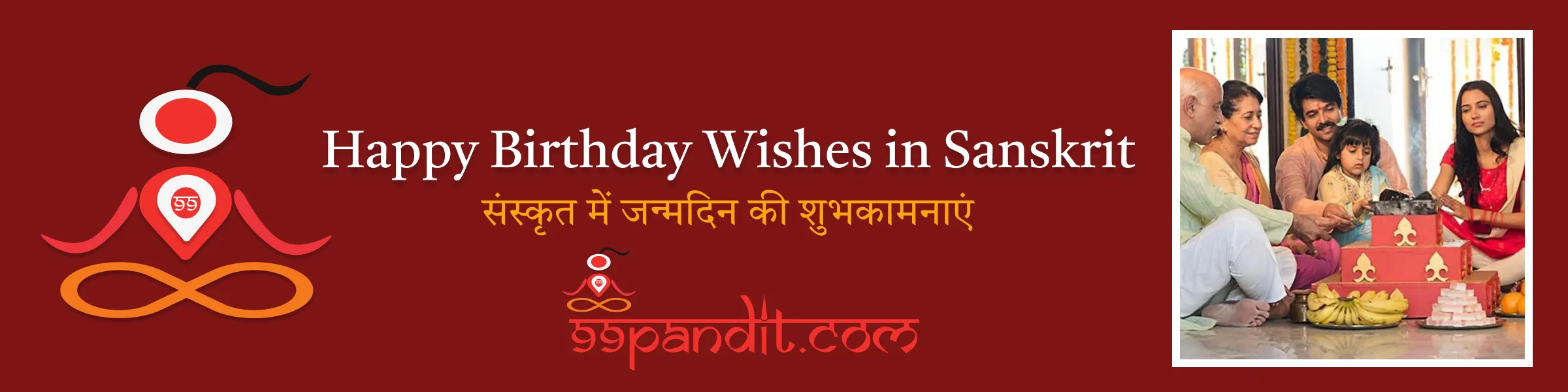
Happy Birthday Wishes in Sanskrit: जन्मदिन की शुभकामनाएं संस्कृत में
Happy Birthday Wishes in Sanskrit: जन्मदिन एक ऐसा दिन है जिसका सभी लोगों को बहुत ही बेसब्री से इंतज़ार रहता…
 0%
0%
 Book Griha Pravesh Puja Online
Book Now
Book Griha Pravesh Puja Online
Book Now

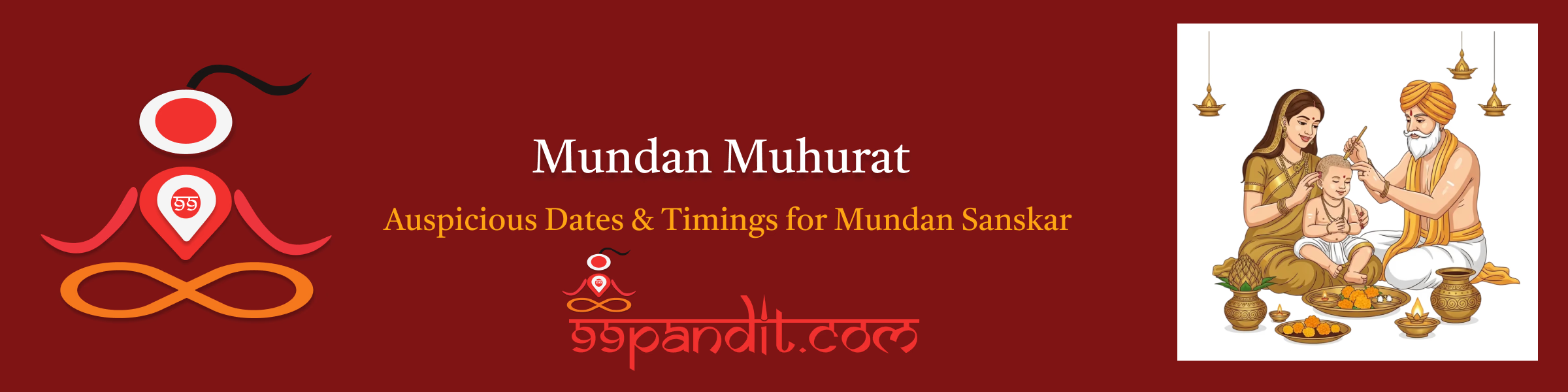


Mundan Muhurat 2026: The first wave of hair is more than just a milestone for the baby’s book. It’s a spiritual shedding of the past and a sacred transformation into a new chapter of life.
Following the hindu tradition, the first haircut is a highly emotional process where the family gathers together to experience a child’s transition from their ‘birth self’ to their earthly self.
This is the time filled with the scent of sandalwood, the resonance of Vedic chants, and the nervous vibrations of a toddler taking a step towards his first big life ritual. The procedure is called Mundan sanskar or Chudakarana.
It’s one of the 16 samskaras, which includes the ritualistic shaving of the head to symbolically cleanse the child’s baggage from past lives.
By eliminating the birth hair, it’s considered that the child is purified from past karmas, enabling them to move ahead with a clean mind, a refreshed aura, and a prayer for long life and intellectual knowledge.
Parents who are planning the milestone in 2026 should find the right Mundan muhurat 2026 to ensure the ancient custom aligns with the most positive cosmic vibrations.
Selecting the right mundan muhurat 2026 for your child is a balance of celestial positioning and family comfort.
The calendar in 2026 is unique, categorized by a long spiritual pause, making the early months and year-end specifically essential for scheduling.
These are the month-wise breakdown of the most suitable Mundan dates for 2026:
January not just shows the beginning of the new year, but also introduces new opportunities into the child’s life to perform such sanskaras.
It’s thought that the mundan shubh muhurat in January will bring good energies and the beginning of a new phase in life.
| Date | Day | Nakshatra | Time |
| 20 January 2026 | Tuesday | Shravana | 02:15 AM to 07:12 AM |
| 21 January 2026 | Wednesday | Dhanishta | 07:14 AM to 02:46 AM, Jan 22 |
| 31 January 2026 | Saturday | Punarvasu | 03:28 AM to 07:10 AM |
February is connected with romance and fresh starts. The rituals performed in this mundan muhurat by date of birth have significant meaning, and the month gives fresh energy and joy to life.
| Date | Day | Nakshatra | Time |
| 6 February 2026 | Friday | Hasta | 12:23 PM to 01:18 AM, Feb 7 |
| 11 February 2026 | Wednesday | Jyeshta | 10:53 AM to 11:11 PM |
| 12 February 2026 | Thursday | Jyeshta | 12:23 PM to 01:43 PM |
| 18 February 2026 | Wednesday | Shatabhisha | 04:59 PM to 09:17 PM |
| 26 February 2026 | Thursday | Mrigashirsha | 02:40 AM to 12:12 PM |
| 27 February 2026 | Friday | Punarvasu | 10:49 AM to 11:31 AM |
March month when the weather changes from winter to summer. The time is known as the right for fresh starts and opportunities to conduct a mundan ceremony.
| Date | Day | Nakshatra | Time |
| 5 March 2026 | Thursday | Hasta | 08:18 AM to 05:25 AM, March 6 |
| 16 March 2026 | Monday | Dhanishta | 09:42 AM to 06:36 AM, March 17 |
April is perfect for its unpredictable nature, just like playful wind. During the month, rains dance on the ground and perform mundan ritual. This month is the time when nature wakes up from sleep.
| Date | Day | Nakshatra | Time |
| 21 April 2026 | Tuesday | Mrigashirsha | 04:16 AM to 06:04 AM |
| 22 April 2026 | Wednesday | Punarvasu | 10:51 PM to 08:48 PM, April 23 |
| 29 April 2026 | Wednesday | Hasta | 05:58 AM to 07:51 PM |
May shows a time for family time and the enjoyment of summer vacation. The time is thought to be perfect for bringing out special rituals for children, such as Mundan, following the mundan muhurat calculator, or consulting with an astrologer like 99Pandit.
| Date | Day | Nakshatra | Time |
| 4 May 2026 | Monday | Jyeshta | 09:58 AM to 04:13 PM |
| 9 May 2026 | Saturday | Shravana | 01:17 AM to 05:51 AM |
| 11 May 2026 | Monday | Shatabhisha | 03:26 PM to 01:27 AM, May 12 |
| 14 May 2026 | Thursday | Ashwini | 10:34 PM to 08:30 AM, May 15 |
The month of June is especially important to conduct a mundan ceremony, mainly to bring positive energy for the child, much like the heat of June brings vitality and energy to life.
| Date | Day | Nakshatra | Time |
| 17 June 2026 | Wednesday | Punarvasu | 05:46 AM to 09:38 PM |
| 24 June 2026 | Wednesday | Chitra | 05:48 AM to 07:07 AM |
July carries out the warmth of summer and long days spent having picnics with the family while seated beneath shaded trees.
This is the time when the heat is at its highest, and we thought it was the right time for the baby’s Mundan ceremony.
| Date | Day | Nakshatra | Time |
| 2 July 2026 | Thursday | Shravana | 09:28 AM to 10:31 PM |
| 9 July 2026 | Thursday | Ashwini | 10:39 AM to 02:57 PM |
| 15 July 2026 | Wednesday | Pushya | 11:52 AM to 09:45 PM |
| 20 July 2026 | Monday | Hasta | 05:57 AM to 04:02 AM, July 21 |
Devshayani Ekadashi falls on July 25 in 2026, which shows the beginning of Chaturmas – the four holy months of cosmic sleep.
As per hindu scriptures, Lord Vishnu enters a state of deep meditation during this time.
As he is the ‘preserver of the universe’ goes to rest, and important sacred rituals like Mundan, wedding, housewarming, and other traditional rituals pause.
During August, September, and October, the focus transits from social celebrations to internal prayer and meditation.
After Dev Uthani Ekadashi, Lord Vishnu awakens, and the ‘Shubh Muhurat’ season continues.
| Month | Date | Day | Nakshatra | Shubh Muhurat (Time) |
| November | Nov 16 | Monday | Shravana | 07:20 AM to 07:48 PM |
| November | Nov 22 | Sunday | Swati | 07:20 AM to 05:29 PM |
| December | Dec 04 | Friday | Hasta | 07:31 AM to 06:36 PM |
| December | Dec 14 | Monday | Dhanishta | 07:38 AM to 05:56 PM |
The rituals of Mundan are usually viewed through the lens of faith, but their persistence for thousands of years is because of an amazing combination of spiritual symbolism and practical health advantages.
Whether you are embracing ancestral customs or seeking biological benefits, the ‘why’ behind ritual is effective.
As per the ancient scriptures, the hair a child is born with is a physical link to their past births.
It’s thought that this birth hair brings the lingering contaminants and ‘Karmic debt’ of past lives.
Shaving the head as per Shubh muhurat, parents are conducting a spiritual reset for their child.
The act of Chudakarana shows:
The soul is being purified, and the body is also getting significant benefits. Ancient Ayurvedic knowledge caters to modern pediatric monitoring in multiple ways.
The child struggles with heat, which leads to irritation and skin allergies. A bare scalp allows for direct and efficient absorption of sunlight, which is important for Vitamin D production and strong bone development.
The mundan process, if performed correctly, is believed to stimulate the scalp nerves, which performers believe in the healthy development of the brain and organs.
There is also a visible benefit of the mundan ceremony beyond the spiritual and biological.
A lot of parents believe that hair grows back after the first shave, which is certainly better than birth hair.
There is a story associated with the Mundan ceremony. A popular belief and religious customs. The story is about Lord Krishna and Yuddhisthir, who was the king of the Pandavas.
It’s said that before the Mahabharata war, when the Pandavas went into exile, Yudhisthira asked Lord Krishna for a solution.
He wanted harmony and peace in life. Lord Krishna suggested that he do the mundan sanskar. He said it shows physical purity and mental peace.
Lord Krishna explained to Yudhisthir that a mundan not only cleanses a person, but also brings positive energy and good luck to the household. It eliminates negative emotions.
For mundan sanskar, timing is key as this is a blend of development readiness and scriptural guidelines. This is how you should choose the right window:
The Odd-Year Rule: Hindu scriptures generally mandate that the ritual must be performed in odd-numbered years, especially the 1st, 3rd, or 5th year of a child’s life.
Boys vs. Girls:
Following the hindu calendar, the Mundan sanskar of children must be performed in the auspicious months of Chaitra, Vaishakh, Jyestha (don’t perform mundan of an elder child in this month, also don’t perform the mundan of a child born in this month), Ashadha (perform mundan before Ashadh ekadashi), Magh, and Phalgun.
Among these dates, Dwitiya, Tritiya, Panchami, Saptami, Dashami, Ekadashi, or Trayodashi are believed to be sacred for the mundan ceremony.
Monday, Wednesday, Thursday, and Friday are believed to be sacred days for the Mundan sanskar. Yet, the girls must not perform the Mundan ceremony on Friday.
Among the Nakshatras, Ashwini, Mrigashira, Pushya, Hasta, Purnavasu, Chitra, Swati, Dhanishtha, Jyestha, and Shravan are known as auspicious times for Munday sanskar.
As per some experts, shaving the head is restricted when the birth month and nakshatra and the moon are positioned in the fourth, eighth, twelfth, or enemy house.
Some pandits even consider the birth nakshatra of the birth zodiac sign sacred for mundan. The ceremony is auspicious in the ascendant or navamasha of 2nd, 3rd, 4th, 6th, 7th, 9th, or 12th zodiac signs.
Performing the ceremony as per the date of birth, consult an expert astrologer. There are some things you must remember while performing Mundan:
A holy ceremony called Havan and Puja is conducted before the ceremony of Mundan in order to receive blessings.
It is Lord Ganesha, the family deity, who is worshipped in this ceremony alongside other deities.
Special items used in the puja include rice, betel leaves, flowers, coconut, and incense, among others, which make the puja look sacred.
The ceremony is usually performed at temples or pilgrimage places such as Haridwar, Kashi, or any other place where we pray.
Yet, during an auspicious muhurat by date of birth, it could be organized at home. You can book a pandit from 99Pandit to schedule Mundan Sanskara at your home.
After the prayer, the child is sprayed with holy water or Ganga water to wash the head of a child. A qualified one or barber then meticulously shaves the child.
In order to maintain the holiness of the ceremony, sacred mantras are being recited during the process of haircutting.
Immersing the fresh-cut hair of a child in a river or other body of water is believed to be sacred. If there is no nearby river, the hair can be buried in an auspicious place.
Once the ceremony is completed, family members and friends come together to bless the child. All of the people are treated with a meal or prasad.
The mundan ceremony is an important ritual in Hinduism, showing purity and a new startings of a child.
Choosing the right mundan muhurat in 2026 is important, as it’s considered to improve the child’s health, well-being, and fortune.
Selecting the right Mundan muhurat 2026 for baby Mundan as per auspicious dates and the child’s horoscope is important to ensure positive consequences.
With many favourable dates and times available during the year, families can look forward to performing the ritual that not just has a religious essence but also benefits the child’s physical and mental health.
To ensure that each Vedic recitation and step is performed with accuracy, you can even book an experienced pandit from 99Pandit for Mundan to manage the ritual with professional care!
Table Of Content