Pandit for Vehicle Puja in Canada: Cost, Benefits & Details
Congratulations on hitting such a big milestone! You just got the keys to your new cars. The excitement is real.…
 0%
0%
 Book Griha Pravesh Puja Online
Book Now
Book Griha Pravesh Puja Online
Book Now

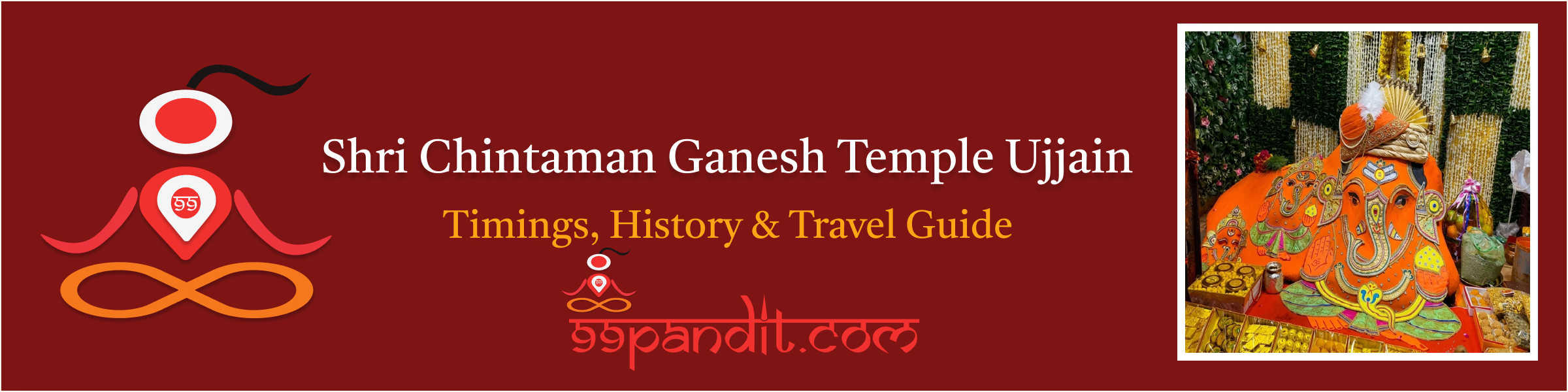


Shri Chintaman Ganesh Temple in Ujjain is among the most spiritually powerful and ancient temples in India.
Situated near the holy Shipra River, this sacred shrine is the spiritual heart of Ujjain and holds a strong belief in wish fulfilment. The word “Chintaman” refers to the “remover of worries.”
True to its meaning, the temple attracts millions of devotees to leave a burden in the feet of Lord Ganesha and gain a sense of peace and relief.
What makes this temple truly exceptional and significant is the Swayambhu (self-manifested) idol of Lord Ganesha.
The idol is believed to radiate divine energy that calms the mind and guides a person into the right path.
Whether you’re facing stress or looking for a fresh start, this Ganesh Temple is a perfect heritage for your emotional relief.
In this blog, we will offer deeper insight into the Shri Chintaman Ganesh Temple, including the latest 2026 timings, deep-rooted history, and travel tips to plan your visit.
Planning your visit to Shri Chintaman Ganesh Temple at the right time is important for a peaceful experience.
The temple follows a proper schedule to make it easy for devotees to plan their journey. Here’s the updated schedule that helps you avoid the crowd:
| Activity | Timing |
| Temple Opening Time | 5:00 AM |
| Morning (Chola) Aarti | 7:30 AM |
| Bhog (Food Offering) | 12:00 PM |
| Evening (Sandhya) Aarti | 7:00 PM |
| Shayan (Closing) Aarti | 9:30 PM |
| Temple Closing Time | 10:00 PM |
Shri Chintamna Ganesh Temple is a sacred site in Ujjain that carries a unique and deeper significance in the life of Lord Ganesha’s devotees.
Located near the holy Shipra River, about 7 km from Ujjain city, the temple is the first stop for devotees before seeking darshan of Mahakaleshwar Jyotirlinga.
According to Hindu tradition, Lord Ganesha is the Pratham Pujaya, which means he is the first among the gods to be worshipped in order to eliminate obstacles.
That is why a pilgrim starts his Ujjain Yatra with this. It is also associated with the Ashtavinayak (the eight forms of Lord Ganesha).
The temple is a house of three different self-manifested (Swayambhu) forms of Lord Ganesha in one sanctum, with each offering certain blessings.
This rare combination of divine energy makes this temple a complete spiritual destination.
Many locals believe that visiting this temple during the Ashtavinayak Yatra or on Wednesday is highly auspicious.
The history of Shri Chintaman Ganesh Temple is a beautiful blend of ancient miracles and royal heritage.
When you take a step inside this divine site, you will be able to explore a part of India’s sacred past and unique tradition.
One of the most popular legends connected to this temple is from the Treta Yug. It is said that during their 14-year exile period, Lord Rama, Mata Sita, and Lord Laxman rested at this place.
The temple is a masterpiece showcasing the 11th-century Paramara period. It is famous for its massive stone pillars and detailed carving.
Royal Rennovation: While the core is ancient, the temple was later renovated by the legendary Queen Ahilyabai Holkar during the Maratha era.
Unlike other temples where the idol mostly sits on a high pedestal, the idol of Lord Ganesha here is partially buried under the ground.
Ujjain is the land of farmers, and Lord Ganesha is their ultimate guardian. That’s why a unique tradition is performed here:
The architecture of the Shri Chintaman Ganesh Temple is known for its ancient stone building and traditional design.
This shrine uses natural stone to offer that calming and powerful atmosphere.
As you enter the “Garbhagriha” (inner sanctum), you will see a rare sight in Hindu temples. The central idol of Lord Ganesha, along with his two consorts, Riddhi and Siddhi.
Where goddess Riddhi symbolises wealth and prosperity. On the other hand, Goddess Siddhi represents wisdom and spiritual power. Combined, they offer complete blessings to every devotee.
The temple is famous for massive stone pillars that date back to the 11th century. Its assembly hall is well supported by these pillars, showcasing the Paramara-style architecture with floral motifs.
To keep the inner sanctum remarkably cool and quiet, it is designed using a heavy and dark stone.
What adds extra charm to the Shri Chintaman Ganesh Temple is the nearby sacred Shipra River.
The gentle sound of water and the constant flow of open air create a spiritually powerful environment, making it ideal for deep prayers and meditation.
Do you know about the unique rituals followed inside the Shri Chintaman Ganesh Temple? It is a tradition based on “Mannat” (making a wish) and “Aabhaar” (showing gratitude).
When devotees visit this temple with deep desires or hurdles, they don’t just pray. They take part in a symbolic ritual on the back wall of the temple.
Step 1: The Wish – Firstly, a reverse Swastika is drawn on the wall behind the main sanctum using vermilion (sindoor) or turmeric.
Step 2: The Gratitude – Once your wish is fulfilled, it is tradition to return to the temple again.
Now you draw a straight Swastika next to your old one. It shows life is all good now and a way of offering gratitude to Lord Ganesha.
In the Malwa region and other areas, Lord Chintaman Ganesh is considered the most senior member of the family.
Therefore, a beautiful tradition followed by thousands of families:
1. The Invitation: When a wedding is fixed, the first wedding card is offered to the deity.
2. The Belief: Families put an invitation at his feet and formally invite “Bappa” as the first guest to attend the wedding.
It is believed that doing so ensures that the entire ceremony happens without any “Vighna” (hurdles) and blesses couples with prosperity and wisdom.
Reaching the temple is very easy, despite the fact that you are arriving from another city or across the country.
Being situated 7 to 8 km from Ujjain, the temple is nestled on the outskirts near the Fatehabad railway line.
1. By Road: The Local Experience
2. By Train: Rail Hubs
Ujjain has the best railway connectivity to the major cities. You’ve got two choices here:
3. By Air: Nearest Airport
If you’re relying on this mode, the nearest airport is Devi Ahilyabai Holkar Airport.
Every Wednesday is considered a mini-festival here, but on some special festivals that temple comes alive with grand celebration, attracting thousands of devotees.
It is the most widely celebrated festival observed for a continuous 10 days. In 2026, it will begin on September 14. The entire temple is beautifully decorated with flowers, lights, and traditional motifs.
To mark the birthday of Lord Ganesha, special aarti, rituals, and offerings are made on this day to seek success, prosperity, and wisdom.
At the time of the Hindu month of Chaitra (March- April), each Wednesday of this month is celebrated as a “Jatra” or religious fair.
It is that period when local farmers bring their first crop of the season to offer to the deity. A temple turns into a colourful market (mela) with traditional sweets and local handicrafts.
Every month of Sankashti Chaturthi, devotees gather to worship the deities and observe a fast that ends at moonrise.
The temple stays open till late, and evening aarti is performed during the moonrise for those who are looking to get rid of their life worries.
During the festival of lights, the ancient stone architecture gets lit up with thousands of traditional oil lamps (diyas).
Followed by it, the annakut ceremony is also performed in which a “mountain of food” consisting of 56 different types of offerings (Chappan bhog) is offered to Lord Ganesha, Riddhi, and Siddhi.
Here are some of the travel tips and tricks for you to make your journey to the Shri Chintaman Ganesh temple stress-free:
1. Best Season: Try to plan your visit during October to March. As the weather during this time is more pleasant which leads to a more comfortable experience.
2. Ideal Darshan Time: For crowd-free darshan, you should consider visiting early in the morning. These hours are generally calmer and have positive vibes.
3. Auspicious Days: While all the days are great, offering prayers on Wednesday and Sankashti Chaturthi are considered spiritually more auspicious for Lord Ganesha.
4. Photography & Sanctity: You can capture the stunning 11th-century stone carvings and outer courtyards for your memories. But avoid taking photographs in strictly prohibited areas like the inner sanctum.
5. Dress Code & Entry Basics: It is highly recommended to wear traditional Indian clothing as a sign of respect. However, the entry fee to the temple is completely free.
If you are planning to visit the Shri Chintaman Ganesh Temple, you can also explore the nearby attractions to make the trip more joyous and meaningful.
Here are some of them:
At a distance of 6-7 km, this holy place is the spiritual heart of Ujjain and home to one of the Jyotirlingas.
It is the perfect next stop to witness the famous Bhasma aarti and grand Mahakal Lok Corridor.
A small 20-minute drive from the temple will take you to one of the Shaktipeeth dedicated to Goddess Durga. It is popular for its massive lamp towers and strong spiritual energy.
Kaal Bhairav is approximately 10-11 km from Chintaman Ganesh Temple. It is dedicated to Lord Kaal Bhairav, who is known as the “Guardian of Ujjain.”
The sacred site is famous for its unique ritual where liquor is offered to the deity as a tradition.
The Shri Chintaman Ganesh Temple is much more than a standing ancient monument in the old city of Ujjain. It is a sacred source of peace, devotion, and divine energy.
Devotees believe that offering prayers to Lord Chintaman Ganesh turns all your “Chinta” into “Chintaman” (peace of mind).
He also blesses devotees with inner calm and success in every endeavour of their lives. From its Swayambhu idol, ancient history, to its unique “Reverse Swastika” rituals, this sacred site offers a deep spiritual experience for everyone.
Whether you’re planning a trip to seek divine blessings or mental peace, this temple is a must-visit destination in your Ujjain itinerary.
Each moment you spend here will take you closer to the divine, including the vibrant Wednesday, grand Ganesh Chaturthi celebration, or harvest fair.
So what are you waiting for? Pack your bags today to offer your first invitation to “Bappa” or seek her blessing to rid you of obstacles while guiding you on the right path.
The trip to Chintaman Ganesh temple is all about positivity, peace, and spiritual growth.
Table Of Content