Puja Service
Seemantham Ceremony Baby Shower: Pooja Cost, Vidhi & Benefit
What is the Seemantham Ceremony Baby Shower (Valaikappu Function) pooja cost, vidhi & benefit? For what reason is…
calendar_today Jun 18, 2026
 Book Griha Pravesh Puja Online Book Now


There is something deeply moving about watching an Indian family in Toronto prepare a puja corner in their living room. Flowers arranged. Incense lit. A brass idol of Lord Ganesha at the center, miles from the land where this tradition was born. Ganesh Puja in Canada is not a routine.
For millions of Hindu families, it marks every meaningful beginning: a new home, a business launch, a child’s first school day, or the quiet observance of Ganesh Chaturthi that keeps heritage alive across generations.
Lord Ganesha, revered as Vighnaharta, the remover of obstacles, is the first deity every Hindu ceremony invokes. His worship signals that the endeavor ahead carries divine guardianship.
For Indian families who have made Canada their home, honoring that tradition demands the same sincerity it deserves back in India.
Good intentions alone will not carry it. The right pandit, the right preparation, and accurate ritual knowledge make the difference.
Expert and trusted pandits available for every puja, ritual, ceremony, and celebration
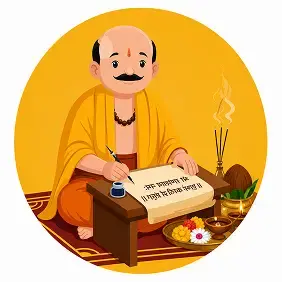
The Indian community in Canada ranks among the fastest-growing immigrant populations in the country. Significant concentrations live in Toronto, Vancouver, Calgary, Ottawa, and Montreal.
Within this community, the desire to observe Hindu rituals authentically has not faded with distance. It has grown stronger.
When you are thousands of miles from home, a puja becomes more than a ceremony. It becomes an anchor.
It connects children born in Canada to a heritage they may only know through family stories. Also, it gives first-generation immigrants a moment of genuine spiritual continuity.
Many families perform Ganesh Puja before major life events: a job change, a home purchase, a Business Opening.
A rushed or poorly conducted ceremony cannot carry that weight, and families feel the difference immediately.
Performing a Ganesh Puja correctly demands a qualified pandit who understands the Vedic texts and your family’s regional variations. It requires appropriate samagri, which is not always easy to source locally in Canada.
And it needs an auspicious muhurat that aligns with the Hindu Panchang. These are real, practical challenges, and they deserve trustworthy, structured solutions.
In India, families often work with a hereditary pandit, a purohit who has served them for generations. He knows their Gotra, regional customs, and ritual preferences. In Canada, that continuity rarely exists.
A verified pandit-booking platform closes this gap. It works not as a commercial convenience but as a trust bridge.
Services like 99Pandit screen pandits for Vedic knowledge, Sanskrit proficiency, and familiarity with multiple traditions: North Indian, South Indian, Marathi, and Gujarati.
They also confirm that each pandit can explain rituals in English for younger family members who may not follow Hindi or Sanskrit.
A skilled pandit does not just recite mantras. He guides the family through each step, explains every offering’s significance, and ensures the entire sequence moves with integrity.
That standard is what Indian families in Canada deserve and what every credible pandit service must consistently deliver.
Expert and trusted pandits available for every puja, ritual, ceremony, and celebration
The Ganesh Puja is not a single fixed ceremony. It adapts to the occasion, the devotee’s intent, and the regional tradition. Knowing which format you need and finding a pandit experienced in it matters considerably.
Many devout families observe a shorter Ganesh Puja daily or on Wednesdays, which carry special auspiciousness for Ganesha worship. These regular observances build spiritual rhythm at home without requiring elaborate setup or extended time.
This is the most widely celebrated format. The festival falls on the fourth day of Bhadrapada and includes Prana Pratishtha, the ritual consecration of the idol, daily worship over 1.5 to 11 days, and Visarjan (immersion). Many NRI communities turn Chaturthi into a shared, multi-family celebration.
Before entering a New Home or opening a business, families perform a Ganesh Puja to clear the space and invite positive energy.
The pandit selects a muhurat from the Panchang and follows specific ritual procedures linked to the occasion’s purpose.
Families commission extended Atharvashirsha recitation or Ganesh Jaap on Birthday Pujas, Anniversaries, or milestone events. This quieter format suits families who want spiritual observance without organizing a large gathering.
Devotees observe this monthly vrat on the fourth day after the full moon. It involves fasting, Sankashti Stotra recitation, and evening puja after sighting the moon. The pandit guides the full procedure in alignment with the lunar calendar.
Indian entrepreneurs and business owners in Canada increasingly commission this fire ritual.
The pandit uses specific offerings and mantras to establish positive energy in commercial spaces. Organizations schedule it at office inaugurations or at the start of a new financial year.
Understanding the ritual sequence serves two purposes. First, it allows family members to participate, not simply observe. Second, it lets you verify that your pandit follows proper Vedic procedure from start to finish.
Every Vedic ritual opens with the Sankalpa. The devotee states his name, gotra, location, the current Panchang date, and the puja’s specific purpose.
This declaration of intent gives the ritual its spiritual direction. The pandit then chants Avahana mantras to formally invite Lord Ganesha into the consecrated idol or image.
The pandit places a copper or brass kalash filled with water, a coin, mango leaves, and topped with a coconut.
This vessel represents all sacred rivers and the formless divine presence. He then purifies the ritual space, the devotees, and all materials with Ganga Jal and sacred herbs before continuing.
The pandit bathes the idol in Panchamrit, a five-ingredient blend of milk, curd, ghee, honey, and sugar.
Milk represents purity; curd brings prosperity; ghee builds strength; honey adds sweetness; sugar invites happiness.
After the Abhishek, the pandit rinses the idol with clean water, dries it gently, and adorns it with flowers and fresh garments.
Traditional Ganesh Puja includes sixteen distinct offerings, each paired with a specific mantra.
Durva grass holds particular importance the Mudgala Purana establishes its unique sacred link to Lord Ganesha.
Devotees also offer red hibiscus flowers, modaks (steamed sweet dumplings regarded as Ganesha’s favorite), and seasonal fruits. Each offering expresses genuine surrender, not decoration.
The Ganesh Atharvashirsha originates in the Atharva Veda. It stands as the most authoritative sacred text dedicated to Lord Ganesha.
A pandit who recites it with correct pronunciation, rhythm, and understanding delivers clarity, protection, and well-being to the ceremony.
This step most clearly separates a knowledgeable pandit from one performing the ceremony without depth.
The puja concludes with Aarti. The pandit and family members move a lit diya before the idol while devotional hymns fill the room.
Children can participate fully; it is the most accessible and joyful part of the ceremony.
The pandit then distributes Prasad to everyone present, extending Ganesha’s blessing outward to the entire gathering.
Expert and trusted pandits available for every puja, ritual, ceremony, and celebration
A well-organized pandit service does far more than assign a pandit to a booking date. A comprehensive service from a trusted platform typically covers the following:
Puja costs in Canada vary across several clear factors. Any reputable service discloses these upfront before you confirm, not after the ceremony ends.
Format drives the largest difference. Online pujas cost less because they remove travel and physical setup expenses entirely.
In-person ceremonies include a travel allowance that varies by city and distance. The type of puja matters too. A simple home puja costs less than a multi-day Ganesh Chaturthi observance with full Visarjan.
Families who source samagri from a local Indian grocery store reduce the total cost.
Those who need coordinated delivery through partner vendors pay an additional amount but save significant time and stress in return.
The pandit’s expertise also shapes the dakshina.
A pandit specializing in Sanskrit recitation, multiple regional traditions, and corporate havans commands a different rate than one conducting a standard home puja.
This variation is reasonable and expected in any professional service.
Before confirming any booking, families should receive a full cost breakdown. This covers pandit dakshina, samagri charges if applicable, travel allowance for in-person pujas, and any platform service fee. Reputable services never leave these items vague until after the ceremony.
Expert and trusted pandits available for every puja, ritual, ceremony, and celebration
The booking process through a verified platform is simple by design. Families using it are already managing full and demanding lives; the process should not add to that burden.
Submit your city, ceremony date, and puja type through the booking form. Indicate a morning or evening preference, and the platform suggests available muhurats from the Panchang.
You can speak directly with the assigned pandit before finalizing. Confirm that he follows your family’s specific regional tradition, whether North Indian, South Indian, Marathi, or another.
After booking, the platform sends a confirmation with full details: muhurat timing, pre-puja samagri checklist, and guidance on what your family needs to prepare before the ceremony begins.
On the ceremony day, the pandit conducts every step of the ritual in person at your home or via live video from Sankalpa through Aarti, without shortcuts or omissions.
The shift toward verified online platforms in the diaspora goes beyond convenience. It is about reliability in a country where informal alternatives frequently fall short.
Community referrals introduce genuine uncertainty. Families rarely know in advance whether the pandit follows their specific tradition, communicates in English, or has experience with the exact puja type they need.
Verified platforms solve this through documented qualifications, genuine reviews, and direct communication with the pandit before any commitment.
Families in smaller Canadian cities, such as Saskatoon, Halifax, and Winnipeg, face limited in-person options.
The online puja format gives them access to the same quality of pandit that families in Brampton or Surrey find locally.
That democratization of access is one of the most meaningful changes these platforms have produced for NRI spiritual life.
Scheduling across IST and Canadian time zones can be confusing. The platform handles this directly, finding muhurats that work for your schedule and coordinating with the pandit so your family focuses on preparation, not logistics.
Expert and trusted pandits available for every puja, ritual, ceremony, and celebration
Families receive timely reminders before the ceremony date. For Online Pujas, the support team helps configure the virtual space correctly so nothing disrupts the ritual on the day.
For Ganesh Chaturthi or larger community observances, the platform arranges group pujas for multiple families together. These cost less per household and create a more festive shared atmosphere.
If a booking needs rescheduling or requirements change, a responsive support team handles it through WhatsApp or email. Families do not navigate this alone.
In rare emergencies, the platform arranges a replacement pandit immediately. The family’s muhurat remains protected wherever possible.
Ganesh Puja in Canada, when a learned pandit performs it with genuine care, is far more than a religious obligation.
It preserves culture, grounds families in their shared heritage, and creates a moment of real spiritual continuity in a life built far from ancestral roots.
Lord Ganesha Vighnaharta deserves that quality of ceremony every time. So do the families who offer it.
The practical challenge for NRI families has always been clear: finding a pandit who knows the Vedic texts, respects regional traditions, and can bridge the gap between a living room in Mississauga and the ritual customs of their home state.
Verified platforms have made that challenge genuinely solvable, not by simplifying the ritual, but by simplifying the search for someone worthy of conducting it.
The pandit’s knowledge shapes the depth of every ceremony. Every mantra the pandit recites accurately, every offering the family presents with understanding, every step the ritual follows in sequence, these create an atmosphere that stays with the family long after the Aarti flame goes out.
That is what this tradition has always delivered: not a ceremony measured by duration, but a moment of devotion that a knowledgeable pandit, sincere preparation, and an engaged family bring to life together.
Whether your family observes Ganesh Chaturthi for the first time in Canada, performs a Griha Pravesh Puja before moving into a new home, or begins a regular monthly worship practice, performing it properly is the entire point.
Expert and trusted pandits available for every puja, ritual, ceremony, and celebration
To honor Lord Ganesha with a fully authentic Vedic ceremony, visit 99Pandit’s booking page, enter your city, puja type, preferred date, and language, select a verified pandit whose profile and family reviews match your tradition, and confirm your booking in minutes.
The platform sends your muhurat timing, a complete pre-puja samagri checklist, and all preparation guidance so your Ganesh Puja in Canada proceeds with full accuracy, from the opening Sankalpa to the final distribution of Prasad.
Table Of Content
Sure! Ganesh Puja can be performed online in a very simple manner via a live Pandit and video call. 99Pandit is your way to local Vedic pandits who not only help but also guide you online at each step.
Once the booking is done, 99Pandit shares a full list of the samagri with you. Most Canadian cities are able to provide the puja room if there is a need, and they offer home delivery as well.
If you want, pandits can perform the puja in any of the listed languages, it is: Hindi, English, Sanskrit, Marathi, Telugu, Tamil, or Gujarati.
The right time to consider confirmation of booking for the Ganesh Puja is definitely around 3-5 days ahead of the day as well as it will secure the Pandit's presence and will also facilitate the preparation.
A Ganesh Puja is a must to be one of the most propitious ceremonies at a business launch, an office opening, or new enterprises in general, because it is Lord Ganesha who brings success and makes the way free of impediments.
There is no problem at all! With 99Pandit's customer service, you can easily reschedule your appointment. They are there to help you with changing the date or time according to your convenience.
 Ontime Service
  Certified Pandit
  Transparency